
Food
Poisonous foods for cats
These foods—which you probably have at home—are poisonous to your cat.
Share the article:
Cats are curious and love to explore. However, our homes are full of hazards, and one of the biggest is food that, while harmless to us, can be poisonous to cats . You’ve probably heard that chocolate is one of them, but here we’ll tell you about other ingredients that, even in very small quantities, can cause serious problems.
Keep reading to find out which pantry items are poisonous to cats.
Poisonous cat food
The following foods can cause serious problems for your cat, even death, if consumed in small or moderate amounts. Although cats are very picky eaters, accidents sometimes happen, or we may even unknowingly give them harmful foods.
Chocolate
Although delicious to us, chocolate is poisonous to cats. This is because it contains various substances that can affect a cat’s nervous system and heart. Chocolate has the same stimulating effect on us, but much milder. In cats, however, the effect is much greater and can lead to vomiting, tremors, coma, heart problems, and even death.
Cats are much more sensitive to chocolate than dogs, although they are less likely to eat it. However, as with many foods that are poisonous to cats, the problem is that it can be mixed with other, more appealing ingredients in the trash or on a plate left on the table, which the cat can then access. Just 5 grams of dark chocolate can cause serious problems for a cat. For reference, a bar of chocolate weighs around 80 grams.
Onions and garlic
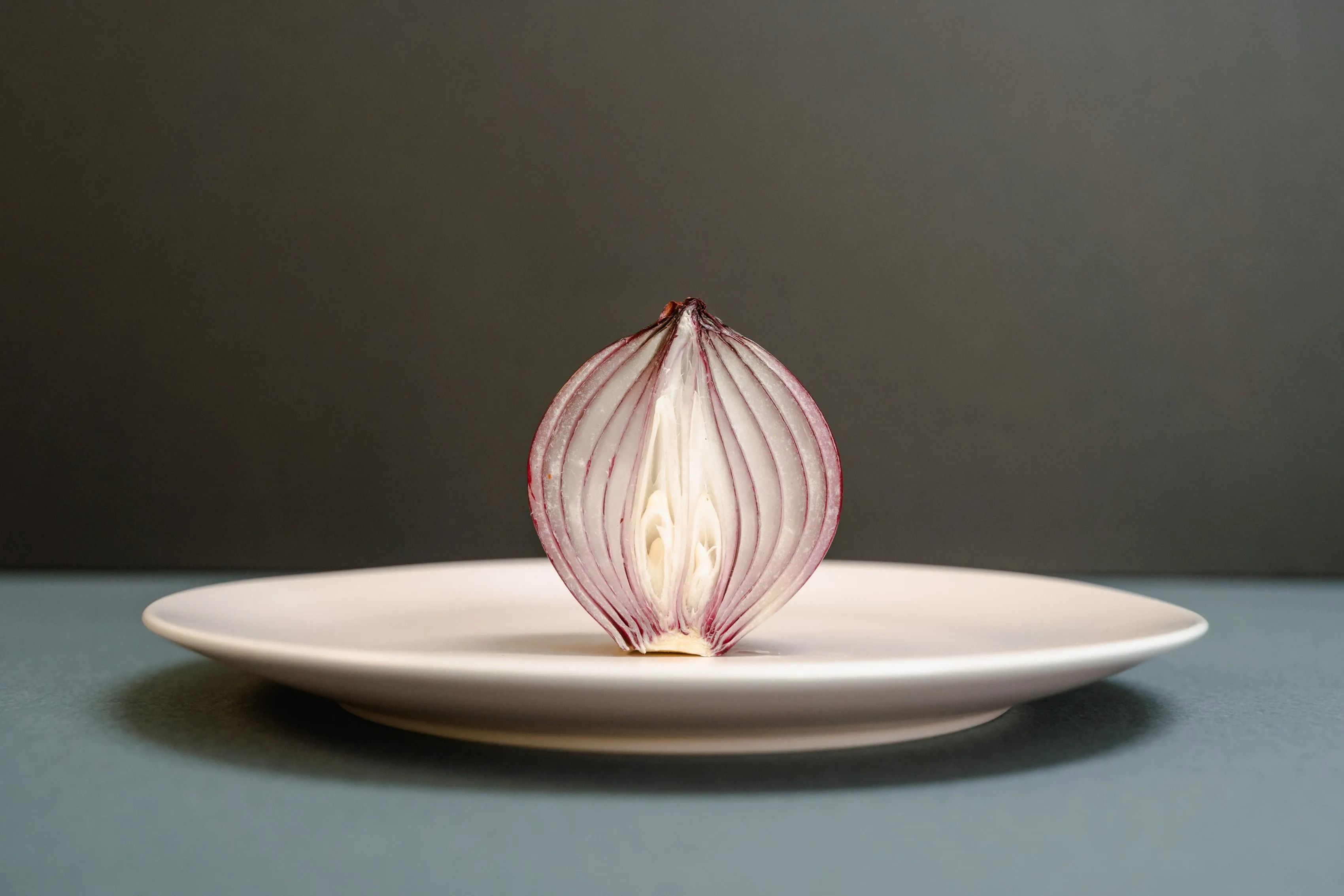
All plants in the onion family are toxic to cats, including onions, garlic, shallots, chives, and leeks. Even very small amounts can cause serious problems for your feline friend.
Onions contain substances that, once processed by a cat’s body, damage its red blood cells and can cause anaemia. Not only that, but they can also damage its kidneys.
It’s very rare for a cat to eat garlic or a leek on its own. However, much of our food contains onions. Therefore, feeding your cat leftovers is very dangerous, and you should also make sure it doesn’t get into the garbage. So, consider onions and garlic poisonous to your cat.
Grapes and raisins
It is still not known for certain why grapes and their derivatives are poisonous to cats. However, cats that eat them may experience vomiting and diarrhoea, weakness, dehydration, and kidney failure.
Although there are few confirmed cases to date, we should keep grapes and raisins off shelves and other places accessible to your cat.
Coffee and tea
Caffeine and theine, which are the stimulants contained in coffee and tea respectively, belong to the same type of substances as those that make chocolate poisonous to cats (methylxanthines).
You’ll never see a cat interested in coffee, but, as with many of these foods that are poisonous to cats, accidents often happen when they are mixed with ingredients that are more palatable to our feline friends.
Alcohol
Tiny amounts of alcohol, about a teaspoon, can cause serious problems in cats. Symptoms include lethargy, very shallow breathing, and even coma.
Accidents happen when these ingredients get mixed with other food, which is common in the garbage can. So, if your cat has the bad habit of rummaging through the trash, here’s one more reason to correct this behaviour.
Raw dough
There are few things more pleasant than the aroma of freshly baked bread. However, raw dough poses a real risk for two reasons. First, raw dough often contains yeast, which produces alcohol; this, as we’ve already mentioned, is extremely toxic to cats. Second, the dough continues to ferment in the stomach, which can be very harmful and painful for the cat.
So, the next time you’re baking, remember to keep the dough out of reach of your best friend.
Xylitol
Xylitol is a sweetener found in a wide variety of processed foods and other products that you probably have at home: bread, toothpaste, mouthwash, sweets, and many others.
Xylitol is extremely toxic to dogs and has also been shown to be poisonous to cats. For this reason, it’s never a good idea to give your best friend food that isn’t meant for them, not even as occasional treats. Likewise, if you brush your cat’s teeth, never use human toothpaste; instead, ask your vet for a toothpaste specifically formulated for cats.
Foods that, while not poisonous, are harmful to your cat
There are foods that aren’t poisonous to your cat, but that you should avoid. Some of these seem completely harmless and may even be beneficial in small amounts or as part of a special diet, but generally, add them to your list of forbidden foods for cats.
Dairy
You’ve probably seen pictures of a cat enjoying a bowl of milk. However, this is nothing more than a myth. It’s true that kittens drink their mother’s milk when they are young, but cat milk has a very different composition than cow’s milk. Furthermore, cats are lactose intolerant after the first few weeks of life, so dairy products can cause bloating, loose stools, and general discomfort.
Salt
Salt can cause excess sodium in your cat, which in turn can lead to a range of problems, from kidney to heart conditions. However, your cat is unlikely to eat salt on its own. The risk lies in prepared foods.
Avocado and other vegetables
Avocados contain a substance that has been shown to be poisonous to cats. Fortunately, there have been no reported cases of cats being poisoned by avocados.
However, there are many other vegetables and tubers that are potentially dangerous for your best friend, such as tomatoes and potatoes. Since cats don’t have any particular fondness for these foods, the problem arises when we assume that what’s healthy for us must be healthy for them, so we offer them these foods.
Are raw meat, canned tuna, liver, and bones poisonous to cats?
No. Raw meat, canned tuna, liver, and bones are not poisonous to cats . That doesn’t mean they can’t cause problems!
Cats are carnivores, so they are adapted to eating raw meat and organ meats. However, raw meat and liver can be contaminated with parasites or bacteria that can cause gastrointestinal infections in your cat, especially if it is not used to eating these foods.
Besides the risk of infections, fresh foods can cause nutritional imbalances that pose a real threat to your cat’s health and well-being. For example, too much liver in their diet can cause vitamin A toxicity. Another important example is canned tuna, which, in excess, can lead to pancreatitis (inflammation of the pancreas) and steatitis (inflammation of the fatty tissue); both are serious conditions that can be life-threatening for your best friend.
Bones are not poisonous to cats, but bones form splinters that can cause cuts and obstruct your cat’s intestines.

What are the symptoms that my cat has been poisoned?
Symptoms vary depending on the food and quantity, but some you should be very aware of are:
- Difficulty breathing
- Lethargy (your cat has no energy or doesn’t want to move, just remember that cats naturally sleep a lot)
- Vomiting
- Diarrhoea
- Drooling
- Dark-coloured urine
- Very pale gums
What should I do if I suspect my cat has eaten food that is poisonous to him?
First of all, stay calm! Try to figure out what your pet ate and observe them for a few hours. If you notice any unusual behavior during that time, take them to your vet for a proper diagnosis.
Sources
- Cortinovis, C., & Caloni, F. (2016). Household food items toxic to dogs and cats. Frontiers in veterinary science, 3, 26. https://doi.org/10.3389/fvets.2016.00026
- Gugler, K., Piscitelli, C., & Dennis, J. (2013). Hidden dangers in the kitchen: common foods toxic to dogs and cats. Compend Contin Educ Vet, 35(7), E2. http://assets.prod.vetlearn.com.s3.amazonaws.com/7e/07cb10bd6611e28e71005056ad4736/file/PV2013_Gugler_CE.pdf
Looking for a vet?
Your vet plays a big role in your pet’s health. Enter your location and get a list of vets near you.

In the spotlight
What do I do if my dog won’t eat?
If your dog isn’t eating, it could indicate an underlying health problem. Visit your vet.
My cat is eating less and has lost their appetite. Should I be worried?
Does your cat seem to have lost its appetite, or is it flat-out refusing to eat? Be on the lookout!