Lifestyle
My cat is constipated, what can I do?
If you have a constipated cat at home, here you will find the symptoms, remedies and what you should do to correct and prevent this common problem in cats.
Share the article:
One of the best things about having a cat is that cleaning up after them is very easy and only takes a few minutes. But imagine that several days have passed and the litter box is still empty. Something’s definitely going on! If you’ve ever been in this situation, you probably have a constipated cat .
Constipation in cats is very common, and while most cases resolve on their own, it can become very dangerous. Here’s how to recognise and prevent feline constipation, as well as when it’s time to visit the vet.
How can I tell if my cat is constipated?
It’s normal for cats to go one or even two days without defecating. However, if more than two days have passed and you still haven’t found any faeces in the litter box, it’s very likely your cat is constipated.
Now observe your furry friend. Has their behaviour changed? Cats that are constipated often stop eating and become listless, lethargic, and frequently vomit. When the problem has persisted for some time, it’s common for your cat to have lost weight and for their coat to appear dull and lifeless.
When a cat becomes constipated, you may find dry, hard, and sometimes very large stools. Excessively dry stool is easy to identify because the litter doesn’t stick to it, as it lacks moisture. In contrast, normal stools are well-formed and slightly moist.
Finally, pay attention to your cat’s behaviour in the litter box. Does it spend too much time in it? Does it meow while trying to defecate or seem restless? Has it started leaving hard, dry stools outside the litter box? These are all signs that your cat is constipated . In more severe cases, you may find very soft stools with mucous, which some mistake for diarrhoea. It’s not normal for a cat to have difficulty defecating. If your cat is struggling in the litter box, it’s most likely constipation.
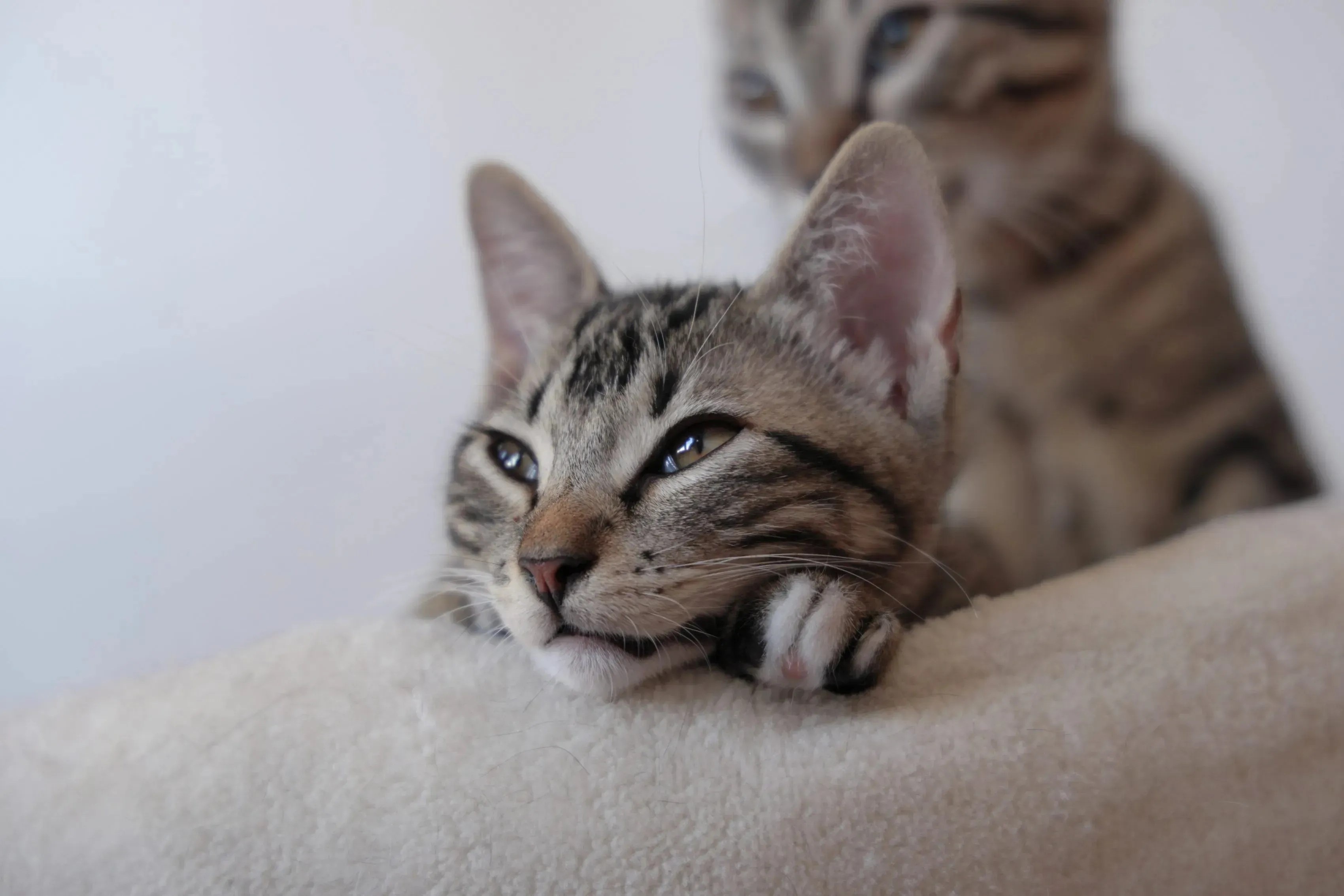
Symptoms of constipation in cats:
- Absence of faeces in the sandbox.
- Vomiting.
- Discomfort or pain when defecating.
- Lethargy and depression
- Loss of appetite
- Dry, hard faeces inside or outside the litter box.
Why do cats get constipated?
The main cause of constipation in cats is dehydration. The colon, the last part of the intestine, is responsible for reabsorbing water from the faeces. When a cat doesn’t drink enough fluids, the faeces in the colon dry out, harden, and become more difficult to pass. Over time, this causes constant distension of the colon, which can weaken it, leading to more constipation and, eventually, a condition called megacolon .
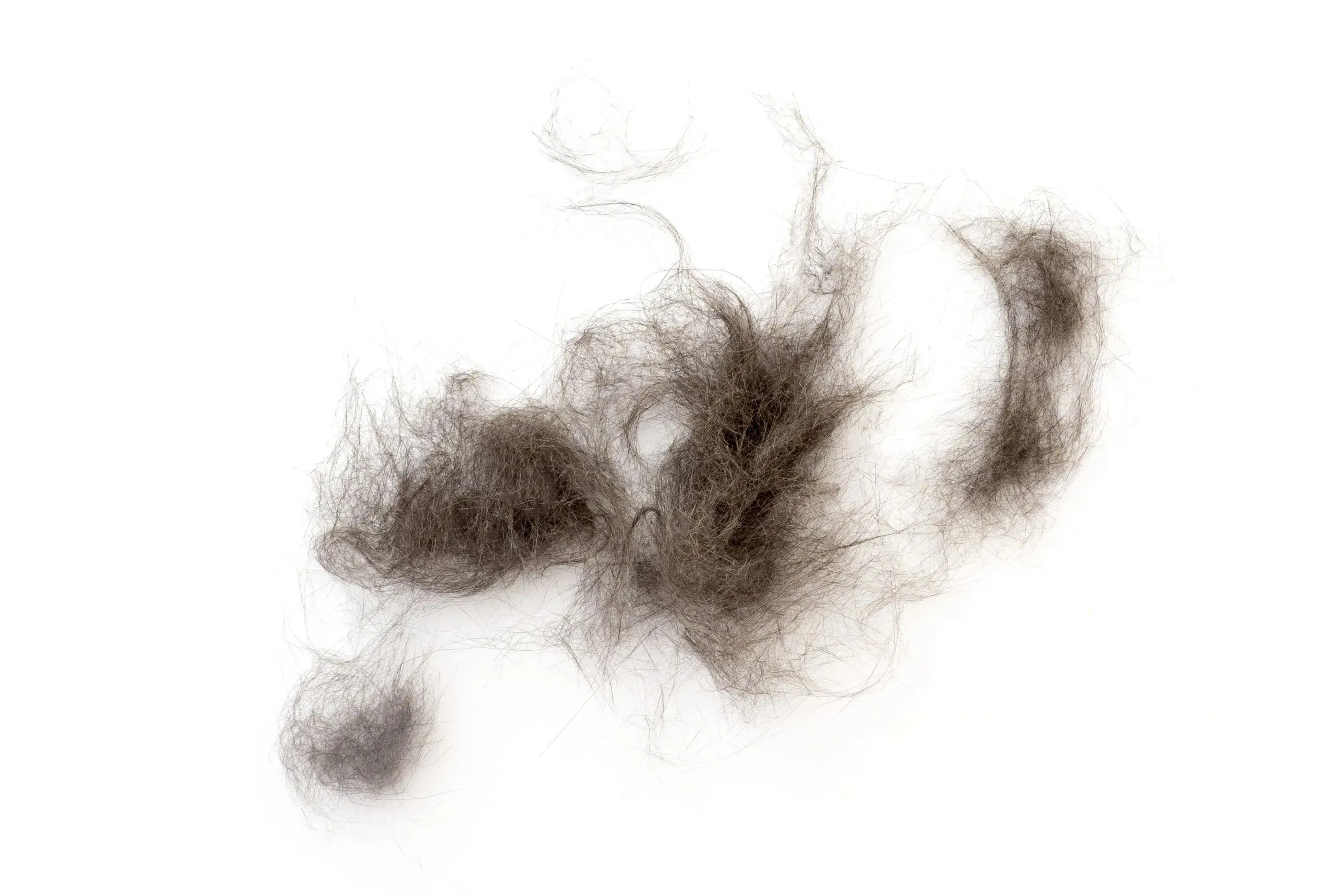
However, there are many other causes of constipation. For example, hairballs , intestinal blockages, allergies, arthritis, anal sac disease, kidney disease, obesity, and even tumors, cysts, and cancers. Any condition that impedes the normal passage of stool causes constipation and can lead to megacolon.
But not all cases of constipation are due to an underlying illness! For example, a dirty water bowl, a litter box in an unsuitable location, and even inactivity can trigger constipation in cats .
Constipation in newborn kittens
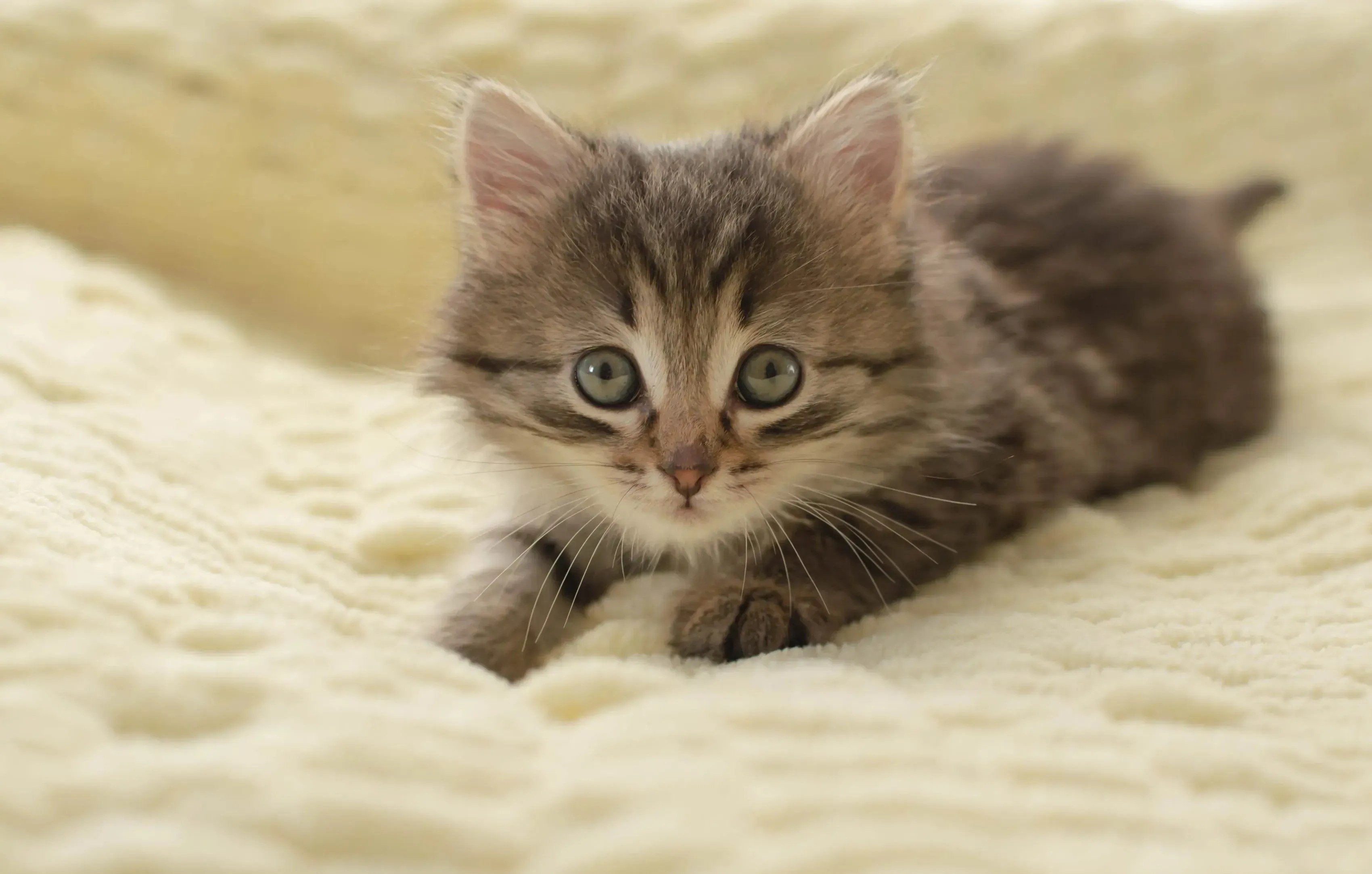
It’s normal for newborn kittens to experience some constipation, especially during weaning. To alleviate this, the mother cat instinctively licks her kittens’ anuses to stimulate intestinal motility. This is yet another reason not to separate kittens from their mother at a very young age.
However, in cases where kittens don’t have their mother, such as rescued kittens, intestinal motility can be encouraged through abdominal massage and increased physical activity through play. However, if dehydration is also present in addition to constipation, you should consult your veterinarian.
A common cause of constipation in very young cats is internal parasites . Therefore, make sure their deworming is up to date and take your kitten for regular checkups with the veterinarian.
What to do when your cat is constipated ?
As we mentioned, most bouts of constipation are temporary, and there are several home remedies you can try for your constipated cat . We’ll explain them in detail in the next section. However, if your cat hasn’t defecated in several days, has lost weight, or shows signs of pain when trying to defecate, you should visit your veterinarian. Since constipation can have many causes, some of them serious, it’s important to rule them out.
Your veterinarian can diagnose a constipated cat through abdominal palpation, but may use x-rays for a more accurate diagnosis.
There are several treatments for your cat’s constipation. Your veterinarian will begin by addressing any underlying causes. They will likely also administer intravenous fluids (or subcutaneous fluids for kittens) and prescribe laxatives. They will probably also give your feline friend an enema. You’ll find many videos and articles online about how to give your cat an enema at home—we don’t recommend it! First, many commercial enemas are toxic to cats. Furthermore, if you don’t administer it correctly, you can cause vomiting (and more constipation); in more severe cases of megacolon, you can even cause irreversible damage.
If your cat is severely constipated, the veterinarian may try to remove the stool either with their finger or with special forceps. For these procedures, your cat may need to be anaesthetised. In more severe cases, surgery may be necessary.
One of the most common problems in constipated cats is that the problem recurs. Your veterinarian will advise you on the most suitable diet and may prescribe laxatives, prokinetics (medications that promote intestinal motility), and dietary supplements such as fibre or probiotics. It is very important that you follow their instructions precisely.
Constipated cat: recommendations
Remember that constipation can be dangerous, and if you have any doubts, you should consult your veterinarian. However, if your cat is defecating infrequently, its stools are dry and hard, or if you want to prevent feline constipation, you can try the following recommendations for constipated cats :
Encourage increased water consumption
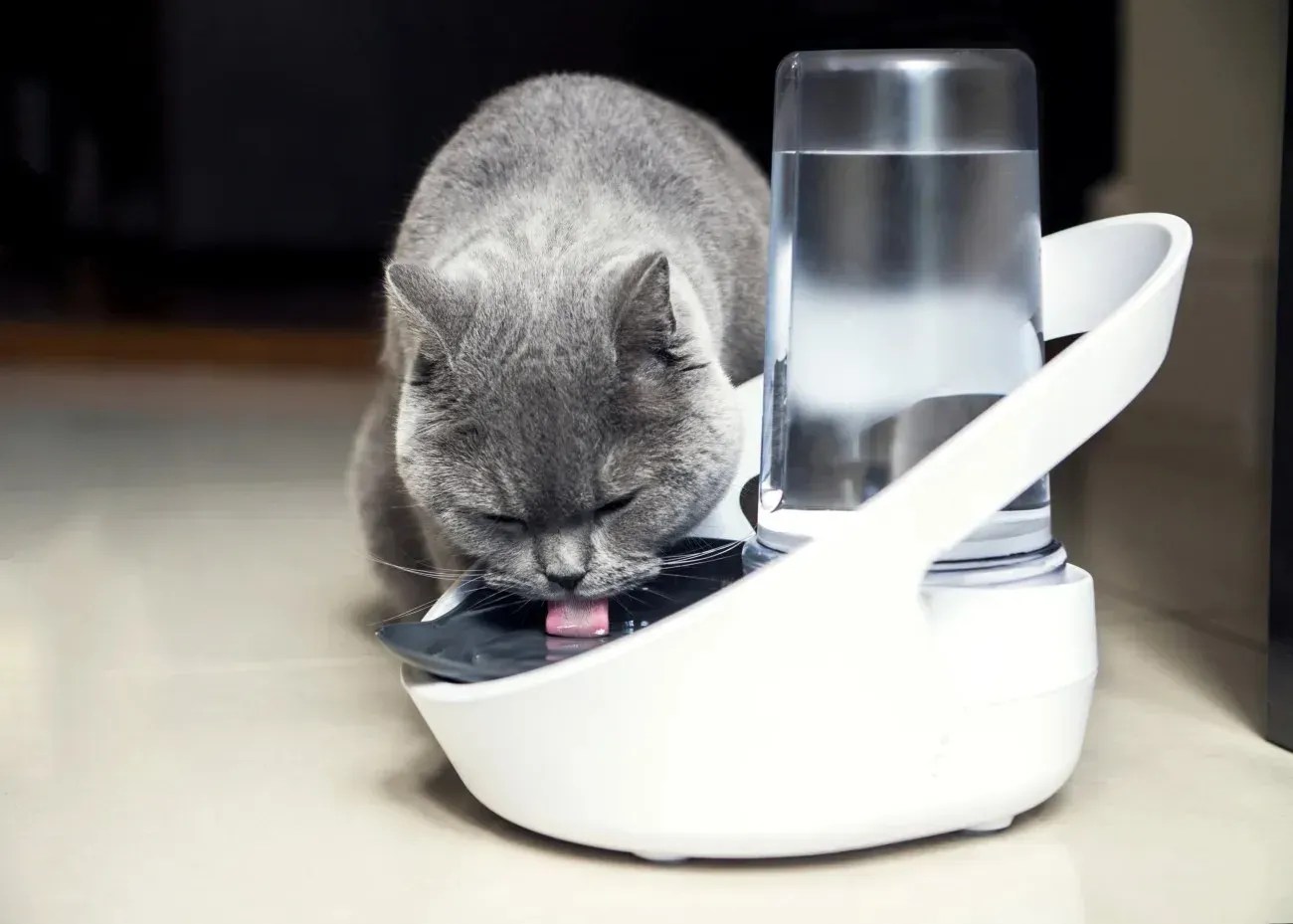
Cats are very particular about water. Generally, if the water bowl is dirty, too close to their food, or has unpleasant odours, cats will stop drinking. For this reason, it’s recommended that your cat have several water bowls and that they always have fresh water available. You can even use a smart water fountain designed for cats if you want greater control.
For example, the Felaqua Connect automatic water dispenser encourages your cat to drink more regularly and provides information about their water consumption habits, alerting you to any changes in behaviour that might otherwise go unnoticed. This is undoubtedly a great help for your veterinarian in making an accurate diagnosis.
Offer wet food
Cats that eat only dry food are at greater risk of constipation. Therefore, offering a higher proportion of wet food is a quick and easy way to increase your cat’s water intake and, consequently, prevent or alleviate constipation.
Clean the litter box more frequently
Did we mention that cats are fussy? Well, if the litter box is dirty or smells bad, many cats prefer to hold it in, which can lead to constipation and even megacolon. Some cats are also shy, so if the litter box is in a high-traffic area, they’ll refuse to use it. Sometimes, the solution is to provide an extra litter box, especially if you have multiple cats.
Encourage play and physical activity
Inactivity causes constipation in cats. Furthermore, inactivity also leads to obesity, another cause of constipation in cats!
Enrich your home with a cat tree or a cat tunnel and organise various feline games that both you and your best friend will enjoy and that will also get that digestive system working. You can keep your cat active, even when you’re not home .
Brush your cat more often
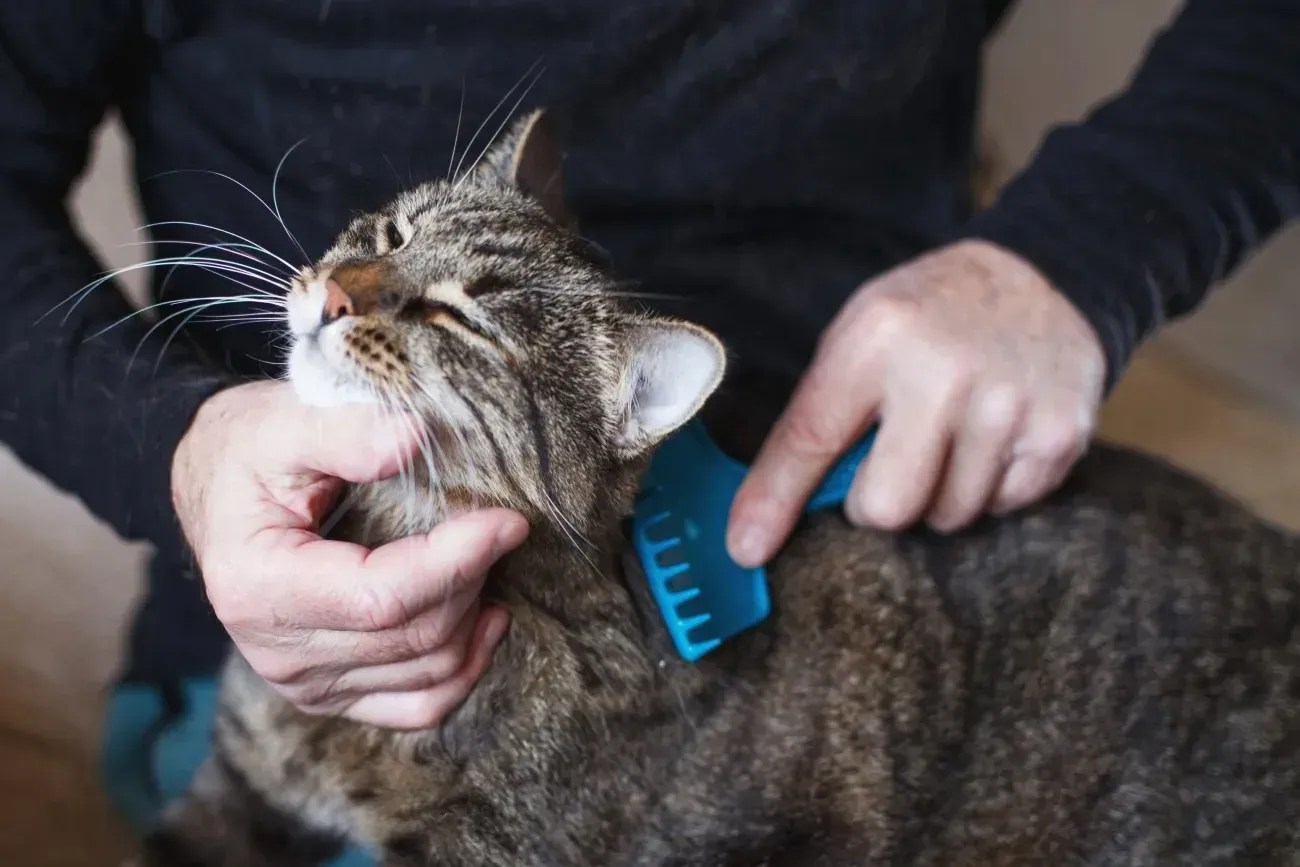
Hairballs can cause constipation. If your cat has been constipated in the past, it’s a great idea to brush them more frequently to prevent hairballs, especially in long-haired cats like Persians.
Does olive oil work as a remedy for constipation in cats ?
Among the most common home remedies for constipation in cats is olive oil. The logic behind this recommendation is that it lubricates the intestine and has a laxative effect. However, this is not true. 3
While olive oil is a superfood that can be given to cats, as an edible oil it is absorbed in the intestines, so it doesn’t reach the colon unless given in large quantities. Mineral oil, on the other hand, is not absorbed and is a laxative that veterinarians frequently use, although it carries risks and should only be used under professional supervision.
One last warning about olive oil: excess fats can cause pancreatitis, a dangerous disease.
Be careful with some home remedies you find online. Remember that many foods are poisonous to cats. #MyPet
References
- Bertoy, R.W. (2002). Megacolon in the cat. Veterinary Clinics: Small Animal Practice , 32 (4), 901-915. https://doi.org/10.1016/S0195-5616(02)00020-7
- Cerquetella, M., Tambella, A.M., Laus, F., Spaterna, A., Ludewig, E. and Rossi, G. (2015). Colonic cyst in a cat presenting recurrent constipation and abdominal pain. Tierarztliche Praxis. Ausgabe K, Kleintiere/heimtiere , 43 (5), 345-349. https://doi.org/10.15654/tpk-140732
- Karaus, M., Sarna, S.K., Ammon, H.V., & Wienbeck, M. (1987). Effects of oral laxatives on colonic motor complexes in dogs. Gut , 28 (9), 1112-1119. http://dx.doi.org/10.1136/gut.28.9.1112
- Yam, P. (1997). Decision making in the management of constipation in the cat. In Practice , 19 (8), 434-440. https://bvajournals.onlinelibrary.wiley.com/doi/epdf/10.1136/inpract.19.8.434
Looking for a vet?
Your vet plays a big role in your pet’s health. Enter your location and get a list of vets near you.

In the spotlight
Top 10 jobs with dogs
The Top 10 Jobs Involving Dogs – No Ranking
Where and how to adopt a cat
You’ve decided to adopt a cat, but where do you start? Where can you adopt your future companion?