
Behavior
A cat’s body language when it is sick
Cats hide the symptoms of illness. However, you can tell if they are sick through their body language.
Share the article:
Cats communicate their emotions and mood through body language . However, this language is composed of subtle signals that are not easy to interpret. This can be a problem with certain illnesses, as you might not detect it in time if your cat is unwell and you could take them to the vet too late.
In this article, we’ll tell you what signs to pay attention to, as they indicate that your cat may be suffering from an illness.
The body language of cats: interpreting and understanding it
Sometimes, we humans try to interpret cat language as if it were human language, as if each gesture were the equivalent of a word. But the reality is that cats don’t use a single signal to communicate their mood; they communicate with their entire bodies. Therefore, we can distinguish attitudes rather than specific meanings. These attitudes are accompanied by a set of gestures and postures .
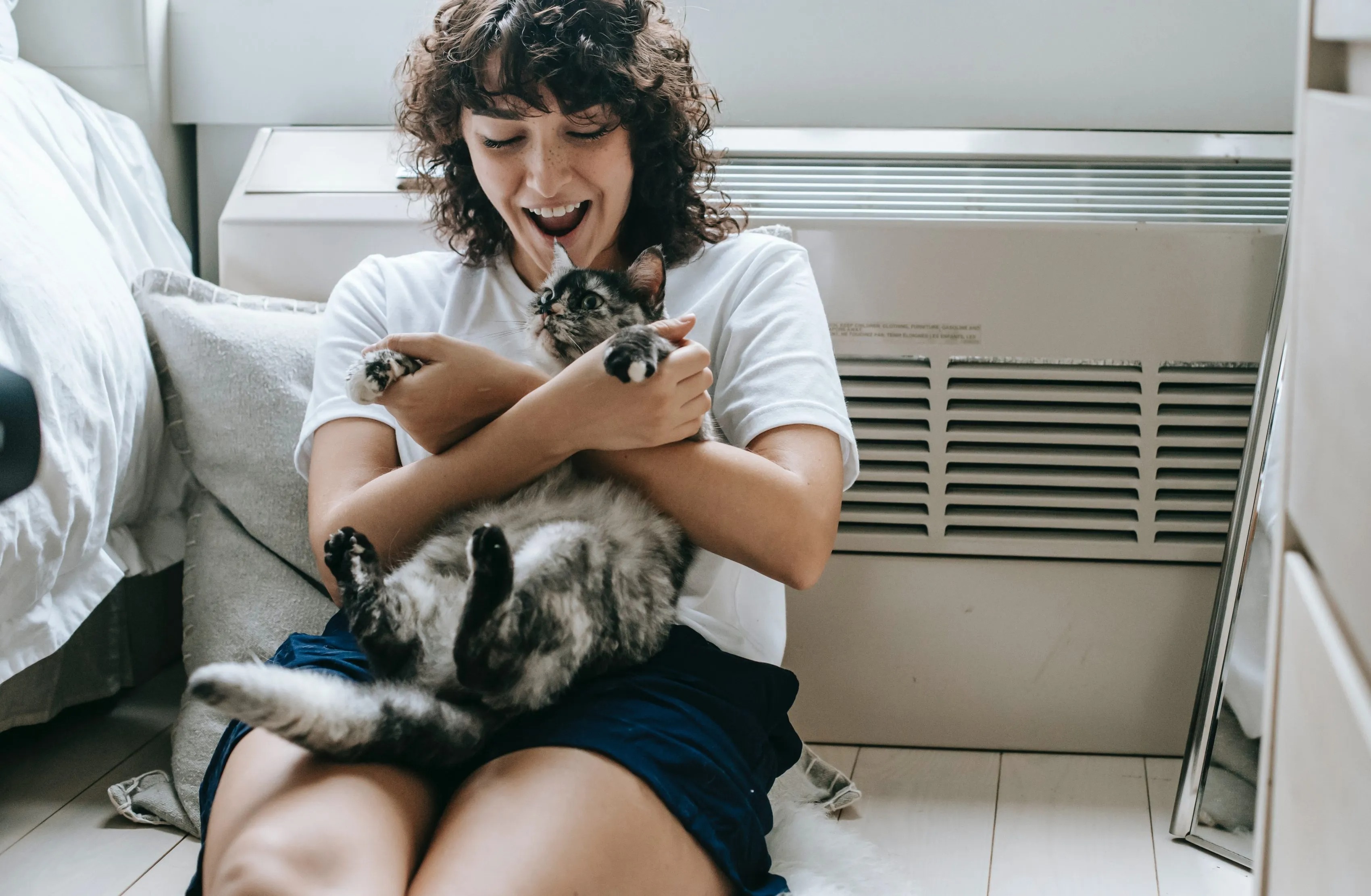
In a stalking posture, the cat is alert, with round eyes and dilated pupils, its ears pricked up and its whiskers tense, its body flexed as if poised to pounce at any moment; its tail may be raised and, if it moves, it does so with a hypnotic sway. The playful posture is very similar, with the only difference being that the cat exposes its belly more and may lie down several times. Generally, showing the belly is a sign of confidence and relaxation.
A cat that feels its territory is threatened becomes much more tense and typically arches its back in a threatening posture. If a strange cat enters its territory, the cat’s fur will bristle to give the impression of being larger, and the feline may emit several warning hisses. If the stranger continues to approach, the cat will lash out with a series of swipes, its tail vibrating and bristling like a feather duster.
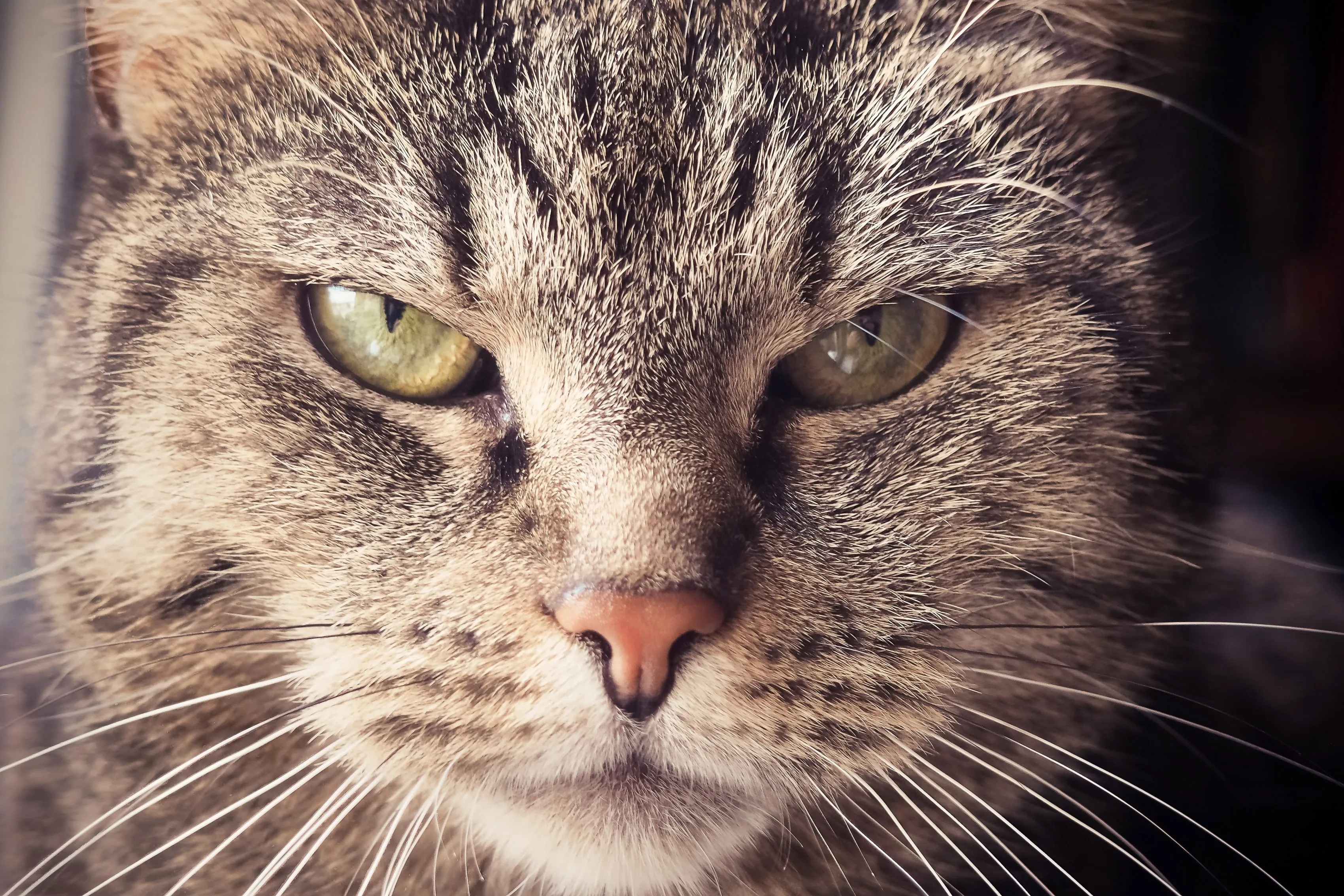
A frightened cat’s demeanor is very similar and may include arching its back, but instead of making itself larger, the cat shrinks so much that even its whiskers seem to retract and its usually expressive tail is tucked close to its body. However, a frightened, injured, or sick cat prefers to hide.
On the other hand, a cat lying down in the middle of a room is making a powerful statement: “I own this place.” With the same confident attitude, the cat strolls around the house and rubs against the furniture and even people’s legs, a sign that it has marked them as its own.
That’s how cats communicate !
A cat’s sounds also give us a clue about its language. Meowing is used to get people’s attention and, with a bit of luck, to get a treat or a pat. Purring is a mystery, as it seems cats do it for pleasure, when they feel content; but it’s also very likely we think that because that’s how a purring cat makes us feel. There is evidence that cats also purr when they feel unwell… hissing and yelping are usually reserved for other intrusive cats and dogs.
How can I tell if my cat is sick through its body language ?
Rather than looking for a specific sign, you should look for sudden changes in your cat’s behavior. For example, if your cat is usually cheerful and suddenly no longer wants to play, you should suspect something is wrong. If your cat usually spends mornings looking out the window, and after several days doesn’t appear on the windowsill, it could be a sign that they’re unwell. Similarly, if an affectionate cat suddenly won’t let you touch them, this could be a sign of pain. The most important thing is to be familiar with your best friend’s behavior. When you notice any abrupt change, it’s best to consult your vet.
These are other important changes in a cat’s body language that may indicate the cat is unwell:
- Reduce your cat’s food intake : If you’ve noticed your cat isn’t eating, this is usually not a good sign. One way to monitor their food intake, and therefore their health, is with a smart feeder.
- Decreased or increased water intake : Cats are picky drinkers and generally drink little; however, a sudden change in their consumption is a sign that something is wrong. Excessive increase (polydipsia) can be a sign of diabetes, while a decrease can indicate many other illnesses. One way to monitor and encourage adequate water intake is through a smart water fountain.
- Vocalizing or thrashing in the litter box : a cat exhibiting this abnormal behavior could be suffering from constipation, difficulty urinating or some other pain.
- Walking with a tucked-in abdomen or a flexed back : many cats adopt this posture when they have abdominal or kidney pain. This should not be confused with the arched back posture they adopt when they feel threatened or are stretching.
- Its fur loses its luster, becomes matted, or is constantly bristling : a sick cat will stop grooming itself, so signs of neglect will soon appear in its fur.
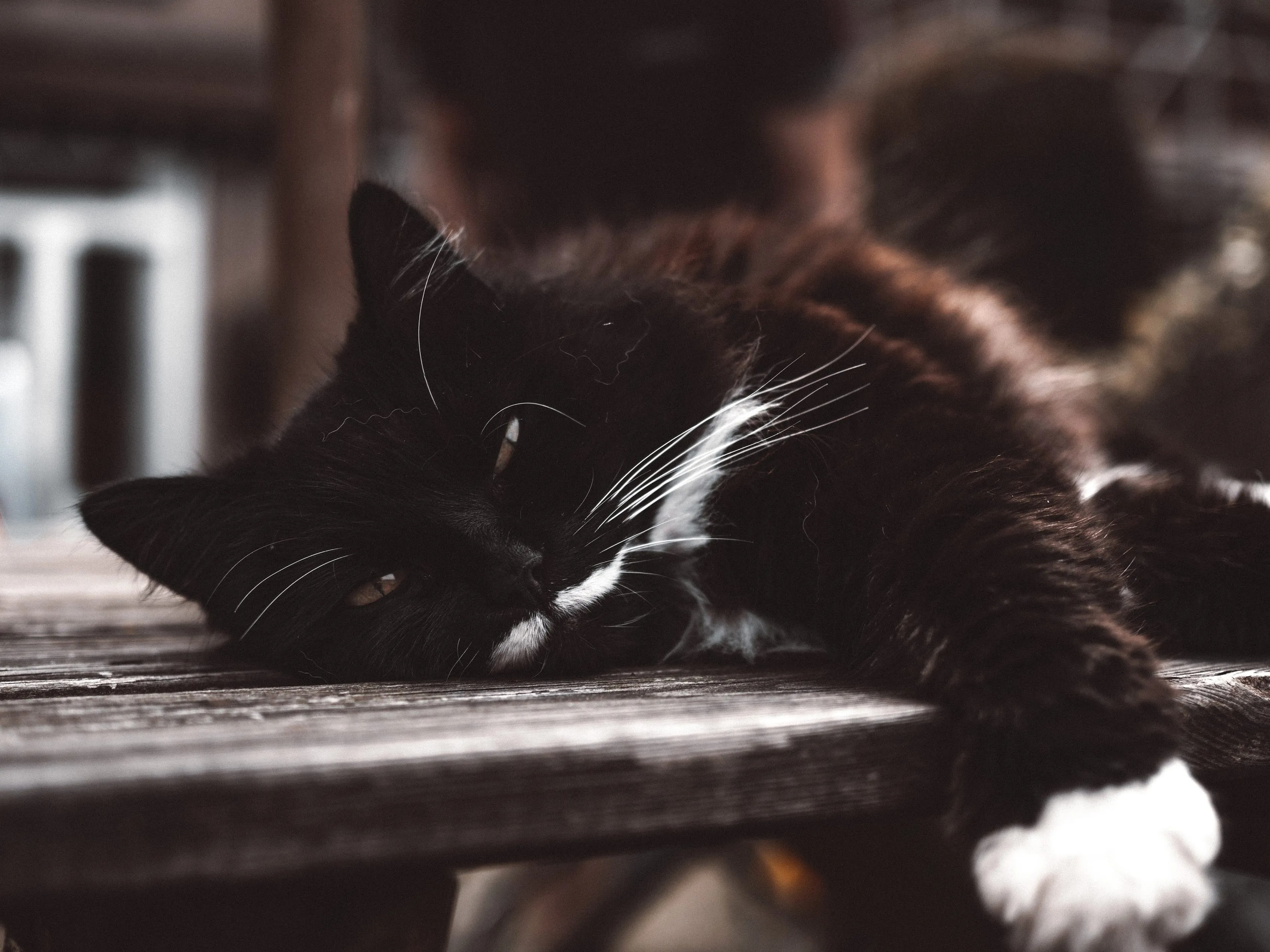
- Hiding (more than usual) : All cats like to sneak around and hide. However, when a cat is unwell, it withdraws for extended periods. This is often a serious sign.
- Their eyes are dull and squinty : beautiful cat eyes are very expressive. A sign of illness is when they don’t open them fully, and sometimes the third eyelid is even visible all the time.
- A wobbly gait, eating less, difficulty jumping or a change in meow, could also be signs of tick paralysis and require urgent attention.
So, pay attention to your cat’s body language and see your vet if you notice any sudden changes. Regular checkups, as well as keeping your cat’s vaccinations and deworming up to date, are an effective way to maintain their health. #MyPet
Looking for a vet?
Your vet plays a big role in your pet’s health. Enter your location and get a list of vets near you.

In the spotlight
Tips and tricks for helping my dog accept the arrival of a new kitten
You want to adopt a kitten but you already have a dog?