Food
What do I do if my dog won’t eat?
If your dog isn’t eating, it could indicate an underlying health problem. Visit your vet.
Share the article:
If your dog has stopped eating, it’s very important to consult your vet. A lack of appetite (anorexia) can be indicative of a serious health problem such as an intestinal obstruction or infection. That said, small fluctuations in appetite are normal and not necessarily cause for alarm. The question is: how can you tell if it’s something serious? Keep reading.
My dog doesn’t want to eat
If you suspect your dog isn’t eating, observe him carefully. How long has it been since he last ate? When was his last meal? If your dog has free access to his food, when was the last time you gave him food and how much did he eat?
It’s very important to answer these kinds of questions because they can often explain why your dog doesn’t want to eat. For example, if your dog has free access to its food, it’s possible it ate a lot in the morning, so when you offer it food again in the afternoon, it’s simply full and refuses it.
Also, is he as active as usual, or do you notice anything out of the ordinary (besides a lack of appetite)? He might not want to play, he might be hiding, or his abdomen might be distended. Does he have diarrhoea or vomiting? Look around too, perhaps your dog has swallowed a piece of furniture, clothing, or a shoe?
Once you’ve asked yourself these questions, you should call your vet immediately if:
- Your dog has diarrhoea or vomiting.
- His abdomen is distended or he is in a lot of pain.
- He ate something that could obstruct his intestine.
- It has been more than 24 hours since he last ate.
- He shows signs of dehydration.
Now that you know how to act, let’s try to understand why dogs stop eating.

My dog isn’t eating: causes
Appetite is a reflection of health, so there are hundreds of reasons why your dog might stop eating. However, these are the most important ones.
Infectious diseases
Most infections cause fever and, consequently, malaise and loss of appetite. If you protect your dog properly by vaccinating and deworming, it’s likely just a minor infection. However, some infections are accompanied by vomiting or diarrhoea, which is a clear sign that you should at least notify your vet. In more severe infections, the dog won’t eat or drink; in these cases, it’s best to act quickly and go to the vet.
Parasites
Paralysis ticks can cause loss of appetite. Inappetance is often followed by vomiting, retching, or gagging. Dogs can also experience lethargy, a change in their bark and a wobbly or uncoordinated gait. This is a medical emergency. If you live in a region where there are paralysis ticks, prompt assessment by your vet is crucial.
Tapeworms and roundworms in dogs can cause loss of appetite because they disrupt normal bowel function. In addition, the parasites release toxins that cause discomfort and loss of appetite. In severe cases, a large number of intestinal parasites can obstruct the gastrointestinal tract, usually accompanied by vomiting; this is a veterinary emergency.
Dental problems
Broken teeth, tongue lacerations, and periodontal disease are oral problems that commonly cause anorexia in dogs. For this reason, it’s important to keep our furry friends’ mouths in top condition. Daily cleaning with a veterinary toothpaste prevents tartar buildup and periodontal disease. It’s common for dental problems to prevent dogs from eating, but not from drinking. So, if you find yourself saying, “My dog won’t eat but will drink” the first place to look for an explanation is in their mouth.

Non-infectious diseases
Certain types of cancer and some metabolic diseases can also cause anorexia. These diseases usually develop slowly, so a veterinary check-up, with a focus on prevention, is the best way to detect them early and intervene. We must also consider gastrointestinal complications, such as intestinal torsion or obstruction. Depending on the degree of obstruction, these complications can cause loss of appetite and mild discomfort, or, in their more severe forms, vomiting, abdominal distension, and significant pain. Many of these gastrointestinal complications can only be resolved surgically.
Problems with the feed
Sometimes, a lack of appetite is due to a simple explanation: your dog doesn’t like his food.
If your dog refuses to eat its usual food, check that it hasn’t expired or smells bad. Dogs have a very sensitive sense of smell and won’t eat spoiled food.
Have you recently changed your dog’s food brand? Some dogs don’t tolerate changes to their favorite food well. When you decide to switch brands, it’s important to do so gradually. This will prevent intestinal problems and allow your best friend to adjust to the new flavours more easily.
You’ve taught him not to eat
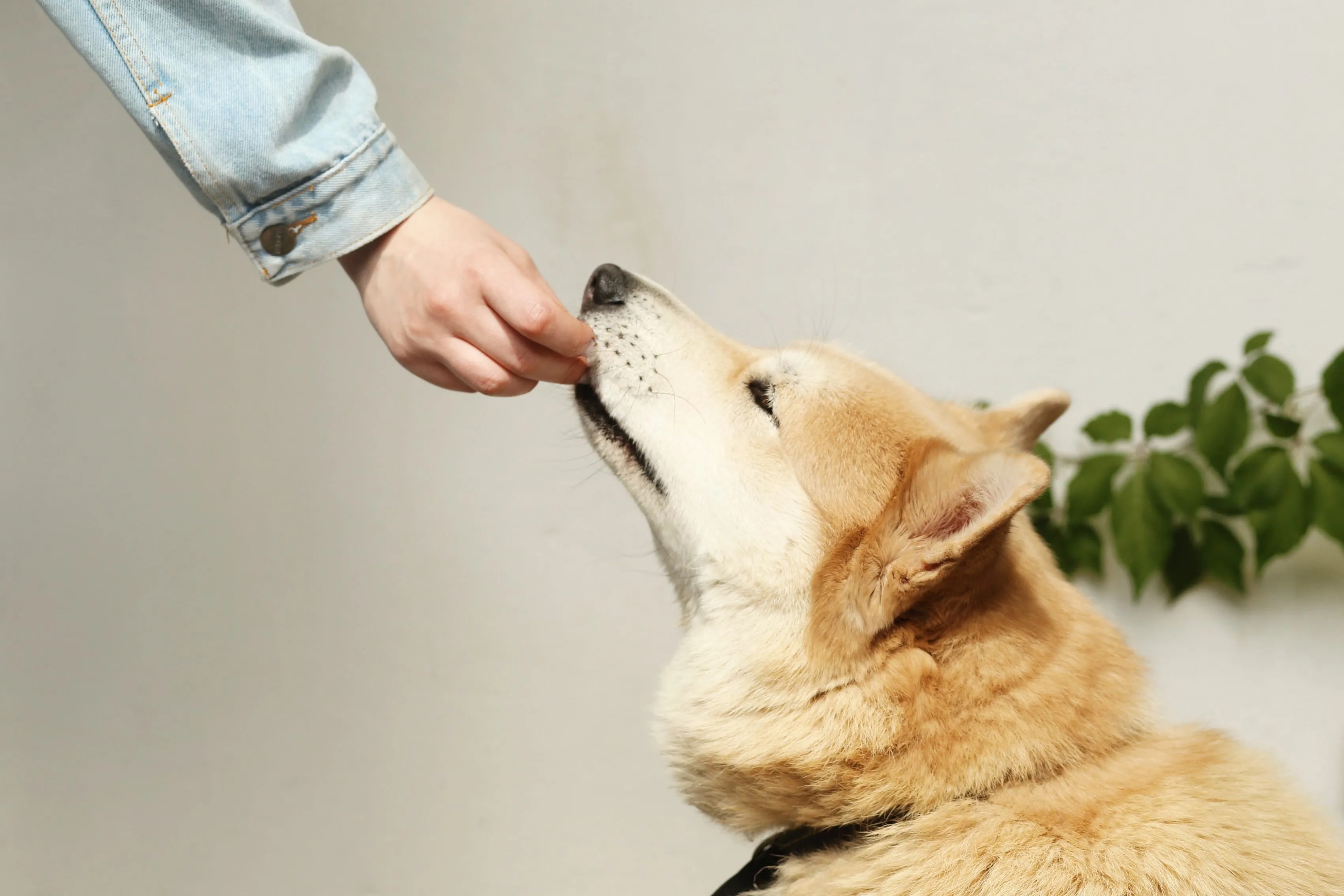
Sounds unbelievable, right? Well, it’s more common than you might think. This problem arises because treats, or snacks, even though they may seem insignificant, make up a substantial portion of a dog’s food. When a dog receives “bribes” it’s common for them to prefer the taste of the treats or snacks to that of their kibble and therefore lose interest in it.
If your dog shows no signs of illness, is lively and behaves normally, and still refuses to eat, ask yourself if you might be giving him too many treats.
Dogs are expert manipulators when it comes to food, so often one member of the family has succumbed to their charms and showers them with treats while the others watch in amazement at how little of their food they eat.
He’s stealing food from other pets
If you have other dogs or cats in your home, it’s very likely that a greedy or dominant dog is stealing their food. This practice is very common among dogs and cats, as cats are often left with free access to food.
One solution is smart feeders. For example, the Sure Petcare smart feeder ensures each of your pets eats the correct amount, as it works by identifying their microchip and preventing them from eating other pets’ food.
What can I do if my dog doesn’t want to eat?
When your dog won’t eat, it’s very important to identify the underlying cause, and this isn’t always easy.
Generally, if your dog is in good spirits and drinking water, you can wait another day to see if their appetite returns. However, if your dog is unwell, vomiting, has diarrhoea, or is in pain, it’s best to take them directly to your vet. If you suspect tick paralysis or find a paralysis tick, do not delay. Take them to your vet.
It is also very important to avoid the following:
If you suspect tick paralysis or find a paralysis tick, do not delay. Take them to your vet.
Over-the-counter medications that people often take when they are unwell, such as antidiarrheals and painkillers, can have serious adverse effects on dogs.
Don’t offer him very appetizing food.
If your dog doesn’t want to eat, don’t offer food to try and stimulate its appetite. You’ll probably find someone who advises giving it rice with chicken, eggs, or even raw meat. No dog can resist these treats!
Well, fresh food in itself isn’t a problem, but if your dog has an underlying illness and you offer very palatable food, you could aggravate the vomiting, accelerating dehydration.
Monitor your dog’s behavior
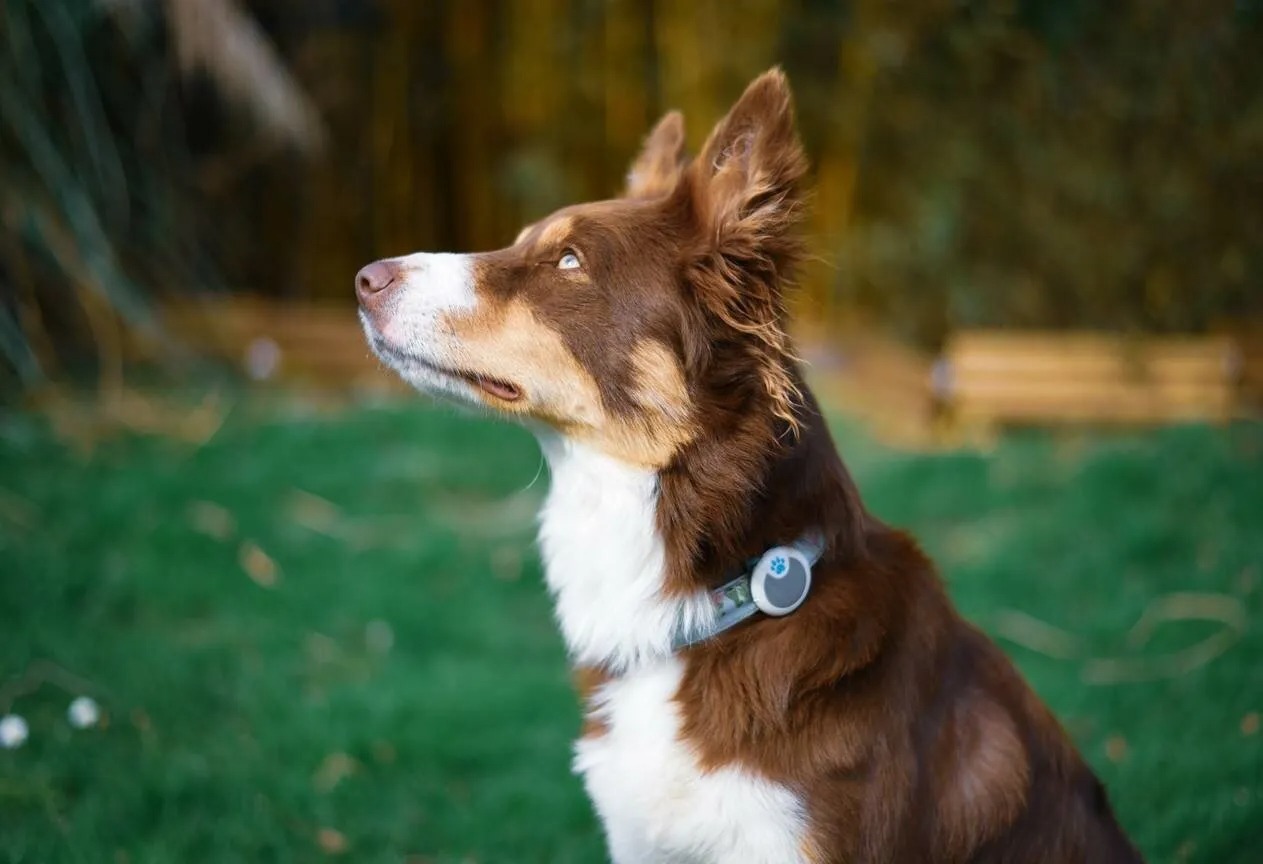
You’ve probably realised throughout this article that, to know what to do when your dog refuses to eat or drink, a large part of the solution is gathering the right information.
So, now you know, if your dog isn’t eating, try to determine the cause and notify your vet.
Looking for a vet?
Your vet plays a big role in your pet’s health. Enter your location and get a list of vets near you.
In the spotlight
Poisonous foods for cats
These foods—which you probably have at home—are poisonous to your cat.
My cat is eating less and has lost their appetite. Should I be worried?
Does your cat seem to have lost its appetite, or is it flat-out refusing to eat? Be on the lookout!