
Health
The problem with fleas
These small pests can cause big hassles for you and your pets.
Share the article:
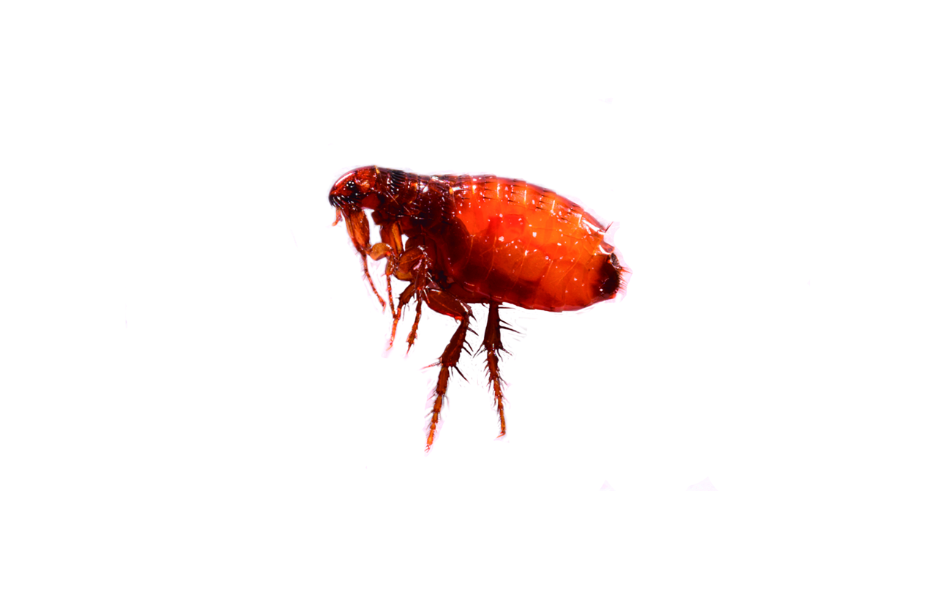
The world is host to over 2,000 species of flea, and they’re a problem almost everywhere. The most common is Ctenocephalides felis, the “cat flea.” Despite its name, the cat flea affects both dogs and cats,1 as well as their owners, and wild animals.
When a flea jumps onto your pet, it will start feeding within 5 minutes and may suck blood for up to 2 1/2 hours. Female fleas are the most voracious, consuming up to 15 times their own body weight in blood.2 And a single flea can live on your dog or cat for almost 2 months!
Flea Growth Chart
Slide from left to right to see how quickly fleas can lay eggs and reproduce.
Experts in multiplication
Flea infestations can rapidly get out of control. That’s because fleas lay eggs in such large numbers. At a rate of 40 to 50 per day for around 50 days, a single female flea can produce 2,000 eggs in her lifetime. Flea larvae burrow deep into fabrics, bedding, and carpeting, so thorough, regular vacuuming and cleaning of your pet’s bedding (in very hot water) is recommended.1,2
Huge numbers of newly developed adult fleas can then remain dormant inside pupae or cocoons in your home for weeks to months. Only when conditions are right—a combination of heat, carbon dioxide, and movement—will they emerge from these cocoons as young and hungry adult fleas, which will infest your pet.1,2
A threat that’s more than skin-deep
The most common external parasite found on pets, fleas can be a major problem for dogs, cats, and the whole family. Simple itching caused by fleas can be irritating enough for a dog or cat. But fleas can cause more serious health problems too. Fleas are also responsible for transmitting the dog tapeworm (Dipylidium caninum) to dogs, cats, and even humans. In addition, fleas can spread bacterial diseases, too.1,2
Some pets develop severe allergies to flea bites (called flea allergy dermatitis) and develop signs, such as itching, that may last long after the fleas have gone.1,2
While outdoor pets are more susceptible, your dog or cat may be exposed to these blood-sucking parasites anywhere: in your own backyard, on walks, or even in your own home. When it comes to fleas, the faster you get rid of them, the better! Or, even better, prevent fleas from making themselves at home with a preventative product like BRAVECTO® (fluralaner).
Did you know?
A flea can jump more than 100 times its length (vertically up to 7 inches and horizontally 13 inches). That’s equivalent to an adult human jumping 250 feet vertically and 450 feet horizontally.3
Rarely do fleas jump from pet to pet, as they prefer to stay on the host unless forced off. 4
Fleas are a problem — that’s for sure. With this information, you can avoid them and help keep your pet and home flea-free.
Looking for a vet?
Your vet plays a big role in your pet’s health. Enter your location and get a list of vets near you.

In the spotlight
Wondering if your cat has fleas? Here are 9 telltale signs
What are the symptoms of fleas in cats, and how can you recognize them? Discover the 9 common signs of fleas in cats and learn how to get rid of them!
9 signs your cat has fleas
How can you tell if your cat has fleas? We’ll reveal the main symptoms so you can take the right steps to get rid of them.
Vaccination schedule for dogs & cats
Wondering what the cat vaccination schedule looks like? What are the most essential dog vaccines that your dog should get? Learn more here!
Canine ear infection: What is it and how is it treated?
Can you recognize the symptoms of ear infection in your dog? Find out by reading this article.
Fleas and ticks: is my pet at risk?
Your cat needs prompt attention if these parasites make an appearance.
Gastritis in cats
Symptoms, Causes, and Treatment of Gastritis in Cats
Everything you need to know about spaying your female dog
Sterilization of female dogs is one of the most widespread procedures for controlling unwanted litters and preventing certain pathologies such as mammary tumors and uterine infections.
The low-down on leptospirosis
One of the risks that have been increasingly reported in many countries worldwide that affects dogs is leptospirosis, also known as “lepto.”
Mange in cats: Everything you need to know
What is mange in cats, how is it transmitted, what is its treatment and how can you prevent it?