

Health
How can I tell if my dog is in pain and how can I relieve it?
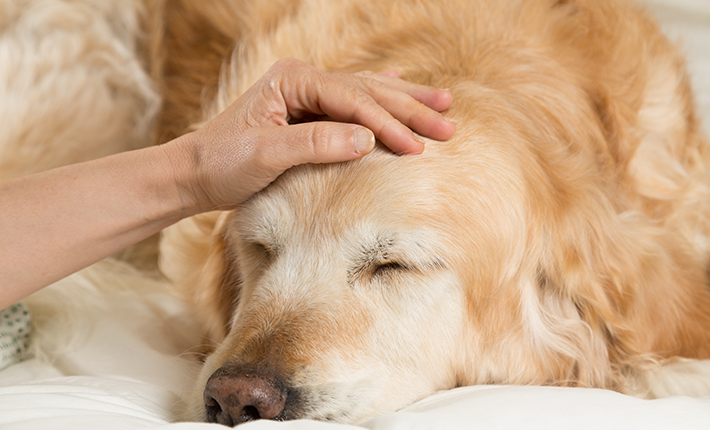
Pain is an unpleasant sensation experienced as a result of trauma, injury, or illness.
Share the article:
Even though they do not all express it in the same way, and even if they show very few signs, all dogs, regardless of their age, feel pain with an intensity and distress comparable to humans.
How can you recognise pain in dogs?
When an accident happens, or if your pet is suffering from an illness and you wonder whether they are in pain, simply ask yourself how you would feel in the same situation. Suffering from an ear infection or cystitis, or living with osteoarthritis, for example, are all very painful situations. A fracture or wound will certainly cause your dog pain in the same way it would hurt you, even if they complain little or not at all.
A dog in pain may whine, cry, yelp, or moan
In dogs, loud signs that are easy to associate with pain are not always seen. The intensity of vocalization also depends on the dog’s breed and temperament. Small dogs often express pain more openly than larger, more stoic dogs, such as hunting dogs, which may suffer in silence.
Whining and crying are more often associated with acute, intense pain, such as a road accident or fracture, but they are much less common in chronic conditions such as osteoarthritis.
In all cases, it is best to ask your vet for advice.
A dog in pain may change their behavior
This is a much more common sign of pain, but it can also be harder to detect.
In some cases, pain may cause your dog to isolate themselves, hide, avoid contact, or become less tolerant of other dogs. A change in attitude or mood can be a sign that should not be ignored.
For example:
- a dog who is usually happy on walks but refuses to get up
- an affectionate dog who becomes withdrawn, seems tired, or hides
- a dog who bites for no apparent reason when someone tries to pick them up or pet them
Very specific signs of pain in dogs
Certain behaviours, although sometimes overlooked, are very characteristic of pain in dogs:
- The prayer position, with the hindquarters raised and the front legs pressed to the ground, generally indicates abdominal pain.
- A frozen posture with the head held low may indicate neck pain, such as a stiff neck.
- Intense licking or scratching of one area of the body may also indicate pain.
What should you do if your dog seems to be in pain?
Certain mistakes should be avoided so the situation does not get worse:
- After a serious accident, if your dog is in severe pain, they may not tolerate being touched and may try to bite. In this case, do not put yourself at risk and do not hesitate to muzzle them. Handle your dog only with extreme caution, and only if necessary, especially if you suspect fractures.
- Your anxiety increases your dog’s anxiety, so it is essential to stay calm and speak gently. Try not to panic. It is better to take a few minutes to calm down and assess the situation than to make mistakes in a panic.
- Do not give your dog any medication. Paracetamol, certain painkillers, and sedatives can be toxic. In any case, their dosage is not appropriate for animals. Follow only the advice of a vet who knows your dog.
- If your pet has had surgery or is suffering from back pain, it may be tempting to think that as long as they are in “a little” pain, they will not overdo it, and that pain acts as a safeguard. This is a mistake. Chronic pain can lead to self-mutilation, depression, and refusal to eat. It is harmful in every case and must be treated. There is never any benefit to letting an animal suffer.
- Thinking that dogs, especially very young or older dogs, or dogs that show no obvious signs, do not feel pain “like we do” is a mistake. Many studies have shown that their physical and psychological pain is very real and causes great distress. We should not ignore it.
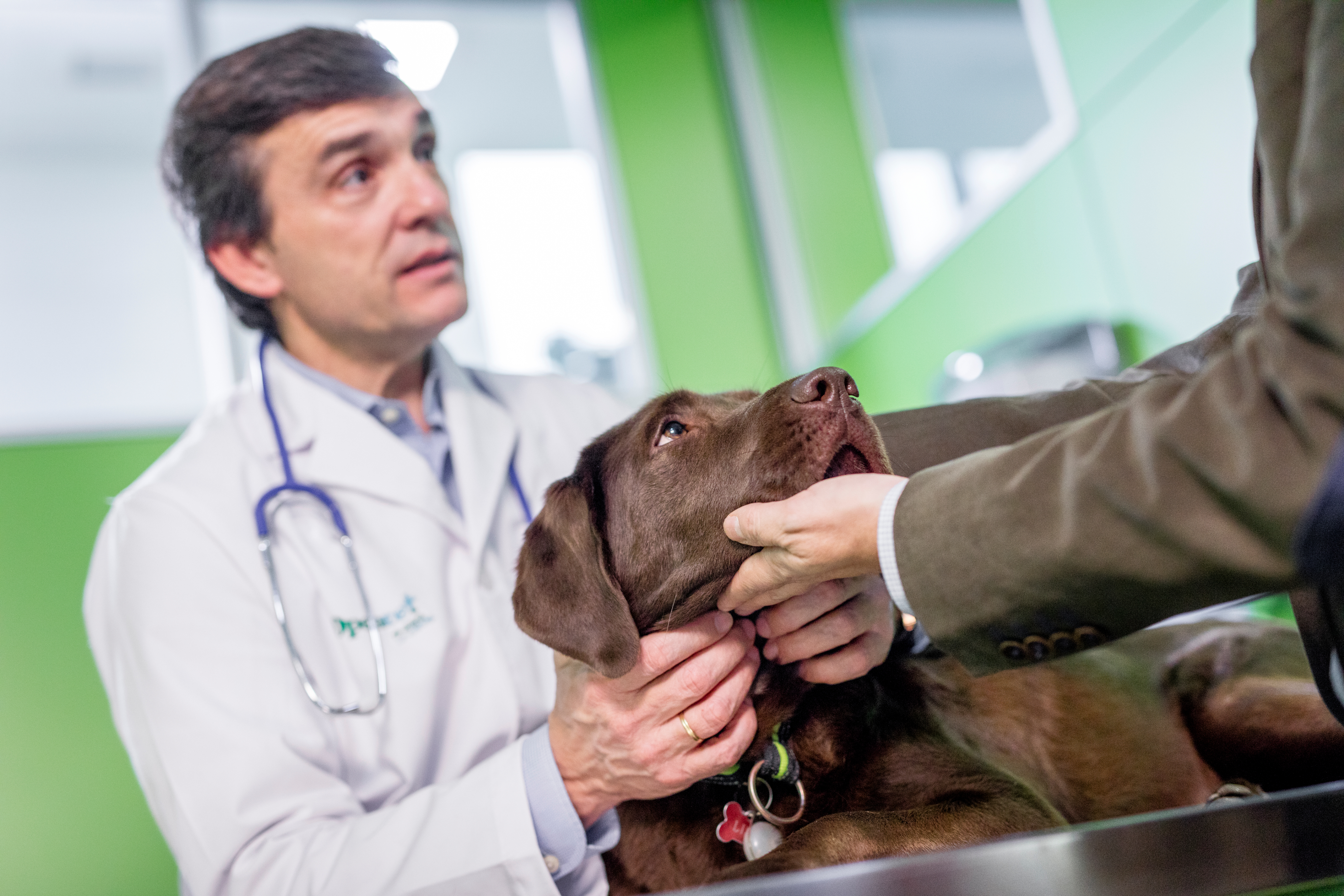
Consult a vet immediately if your dog is in pain
A vet is a healthcare professional. When your pet is in pain, they are the best person to examine them and determine what is wrong. They can then recommend an appropriate treatment or hospitalise your pet if needed. They are the only person authorised to prescribe medication, including painkillers such as opioids.
Vets are available throughout the country. They provide continuous service, day and night, sometimes even at home. Always call before going there.
Finding the cause of your dog’s pain
When pain is present, it is important to look for the cause before treating it. A fracture is not treated in the same way as a “stomach ache,” for which an ultrasound may be needed. Vets have many tools and equipment that allow them to examine and care for your dog properly. It may take some time to know exactly what your dog is suffering from before they can be treated effectively.
In some situations, when the cause of the pain cannot be “emliminated,” such as in osteoarthritis, the goal is to control it so the dog can maintain a good quality of life. This can be done on three levels: medical treatment to relieve pain, lifestyle management, and management of surgical and post-operative pain.
Medical treatment to relieve pain in dogs
Vets have many molecules, or medications, available to treat pain. The protocols used depend on the cause of the pain, its type, its intensity, and the dog’s age. In the most serious cases, pain control may require temporary hospitalisation. Most pain-relief medications do not cause dangerous side effects when used under veterinary supervision, so they can be used with confidence when prescribed appropriately.
Addressing lifestyle, rehabilitation, and nutrition
In cases of chronic pain, such as osteoarthritis or cancer, many supportive care techniques can improve your pet’s comfort. Keeping them clean, caring for them, walking them when possible, and providing appropriate, appetising food are essential. The vet may also recommend different physiotherapy techniques, such as therapy in an adapted pool, physical rehabilitation, ultrasound therapy, or electrotherapy. These functional rehabilitation methods can provide real relief and improve well-being.
Managing surgical and post-operative pain
Finally, when surgery is necessary, your dog can benefit from very effective pain-control treatments. Injections, infusions, infiltrations, local anaesthesia, or epidural injections can help control pain effectively. After hospitalisation or surgery, your vet may prescribe medication to manage your dog’s pain once they return home with you.
Your vet will give you the best advice to prevent or treat your companion’s pain. Do not hesitate to ask for their guidance.
Looking for a vet?
Your vet plays a big role in your pet’s health. Enter your location and get a list of vets near you.
In the spotlight
Wondering if your cat has fleas? Here are 9 telltale signs
Learn 9 common signs of fleas in cats, how to recognise the symptoms and what steps to take to help get rid of fleas.
9 signs your cat has fleas
How can you tell if your cat has fleas? We’ll reveal the main symptoms so you can take the right steps to get rid of them.
Vaccination schedule for dogs & cats
Wondering what the cat vaccination schedule looks like? What are the most essential dog vaccines that your dog should get? Learn more here!
Canine ear infection: What is it and how is it treated?
Can you recognize the symptoms of ear infection in your dog? Find out by reading this article.
Fleas and ticks: is my pet at risk?
Your cat needs prompt attention if these parasites make an appearance.
Gastritis in cats
Symptoms, Causes, and Treatment of Gastritis in Cats
Everything you need to know about spaying your female dog
Sterilization of female dogs is one of the most widespread procedures for controlling unwanted litters and preventing certain pathologies such as mammary tumors and uterine infections.
The low-down on leptospirosis
One of the risks that have been increasingly reported in many countries worldwide that affects dogs is leptospirosis, also known as “lepto.”
Mange in cats: Everything you need to know
What is mange in cats, how is it transmitted, what is its treatment and how can you prevent it?