
Health
How do I prepare for my cat’s return home after being neutered?
What kind of care should you provide for your cat when it comes home after being spayed or neutered?
Share the article:
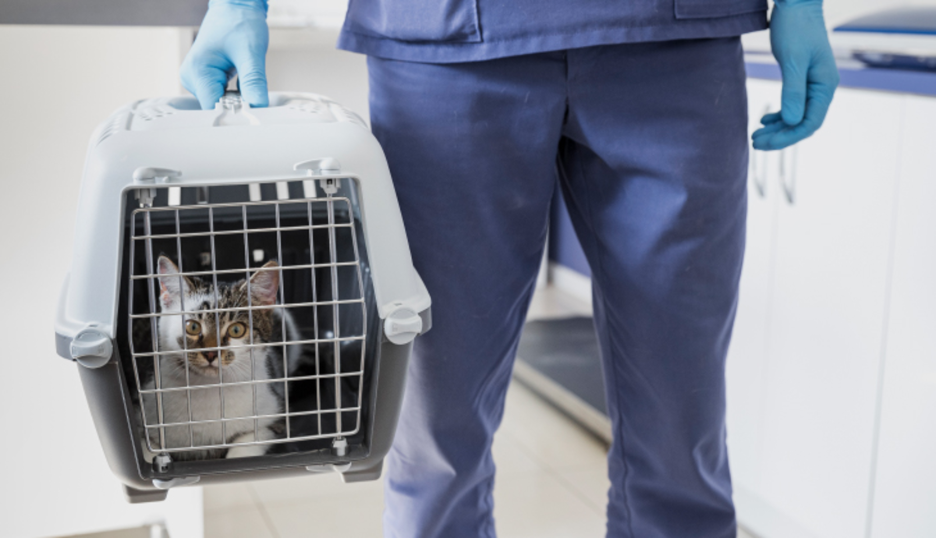
Spaying or neutering a cat, whether male or female, is a common surgical procedure with very few complications. It is most often performed as an outpatient procedure, and you can usually take your pet home the same evening. Here are some answers to common questions to help you prepare for their return home.
Will my cat be in pain after the operation?
Normally, no. Before sending your cat home, your vet will have given them anti-inflammatory medication or pain relief medication to prevent pain. You should not need to give any tablets at home.
Can my cat eat the same evening after being spayed or neutered?
Yes, but only a little.
Neutering a male cat is a very quick procedure that does not involve entering the abdominal cavity. Your cat may have a small, light meal in the evening if they want to.
However, spaying a female cat requires entering the abdominal cavity to remove the ovaries. As a result, the anaesthesia lasts a little longer, and your cat may be tired and may not want to eat for 24 hours. This is normal, so do not force her to eat. Her appetite will return, so there is no need to worry. However, make sure fresh water is available.
Can my cat go outside after being spayed or neutered?
If possible, avoid letting your cat go outside for 2 to 3 days. On the evening after the procedure, your cat may still be a little “out of it” because of the anaesthesia, so if they climb onto furniture, they could fall. Their reflexes may not be fully back either: if they come face to face with another very territorial cat, it could be difficult for them. The anaesthetic only leaves the body after a few hours and can slow certain reflexes, such as the pupil’s response to light. Your cat may therefore be very sensitive to bright light or loud noises. Ideally, prepare a small area in a dark, quiet room, away from noise, with a comfortable blanket on the floor so your cat can stay warm and avoid falling. Finally, for 24 to 48 hours, the outdoor environment could contaminate the unsutured wounds of male cats or the dressing of female cats.
Does my cat need any special care after being spayed or neutered?
If you have a male cat, the unsutured incisions will heal quickly on their own. However, it is recommended to replace the litter with newspaper for 2 to 3 days so that gravel or sand does not stick to the wound.
In female cats, the operation most often results in a small stitch on the abdomen covered with a dressing or, in some cases, two small stitches on the flanks without a dressing. If there is a dressing, do not touch it; your cat may remove it herself after 3 to 4 days. As for the stitches, the vet will remove them in 10 to 15 days, or they may be left in place and fall out on their own within 4 to 6 weeks.
In the vast majority of cases, healing goes normally. However, if you notice any problem, contact your vet promptly.
In the long term, what should I watch for after my cat has been spayed or neutered?
Watch their diet!
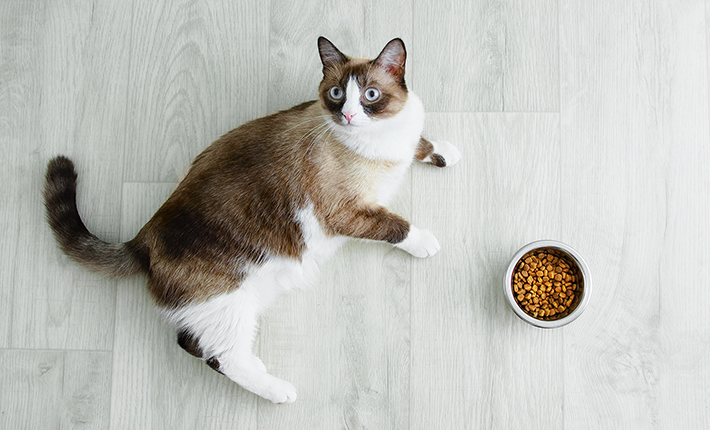
The main unwanted side effect of spaying or neutering is weight gain, which can happen very quickly, within just a few months, especially in female cats. It is therefore essential to choose high-quality food and monitor food intake for at least the 6 months following the operation. Weigh your cat every 15 days and strictly follow the portions recommended by your vet.
Lack of exercise
The normal life of an unspayed or unneutered cat naturally includes a good amount of nighttime activity, such as hunting, marking territory, looking for a mate, and sometimes fighting. After the operation, however, your cat may become calmer and more sedentary. At the same time, they are often hungrier, so you will need to encourage activity to help prevent weight gain: more interactive play, cat trees, hiding places, and other stimulation can also be a great way to strengthen your bond.
Feline lower urinary tract disease (FLUTD)
In fact, it is not spaying or neutering itself that promotes these lower urinary tract diseases, but rather excess weight, which can itself be a consequence of the procedure. It always comes back to the same point: a lean cat is a healthy cat, so monitor their diet and weight carefully.
In conclusion, spaying and neutering have many benefits: they help regulate the cat population, reduce unwanted behaviors such as aggression, territorial marking, roaming, and heat-related behaviors, and can increase life expectancy. Cats are less likely to contract feline leukemia or feline immunodeficiency virus, female cats have fewer genital infections, and male cats experience fewer repeated injuries and abscesses. The main drawback is the weight gain it can cause, but this can be managed very effectively with an appropriate diet. Ask your vet for advice.
Looking for a vet?
Your vet plays a big role in your pet’s health. Enter your location and get a list of vets near you.

In the spotlight
Wondering if your cat has fleas? Here are 9 telltale signs
What are the symptoms of fleas in cats, and how can you recognize them? Discover the 9 common signs of fleas in cats and learn how to get rid of them!
9 signs your cat has fleas
How can you tell if your cat has fleas? We’ll reveal the main symptoms so you can take the right steps to get rid of them.
Vaccination schedule for dogs & cats
Wondering what the cat vaccination schedule looks like? What are the most essential dog vaccines that your dog should get? Learn more here!
Canine ear infection: What is it and how is it treated?
Can you recognize the symptoms of ear infection in your dog? Find out by reading this article.
Fleas and ticks: is my pet at risk?
Your cat needs prompt attention if these parasites make an appearance.
Gastritis in cats
Symptoms, Causes, and Treatment of Gastritis in Cats
Everything you need to know about spaying your female dog
Sterilization of female dogs is one of the most widespread procedures for controlling unwanted litters and preventing certain pathologies such as mammary tumors and uterine infections.
The low-down on leptospirosis
One of the risks that have been increasingly reported in many countries worldwide that affects dogs is leptospirosis, also known as “lepto.”
Mange in cats: Everything you need to know
What is mange in cats, how is it transmitted, what is its treatment and how can you prevent it?