

Fleas: Everything you need to know
Understand how they affect your pet, the risks they pose, and how to effectively control them.
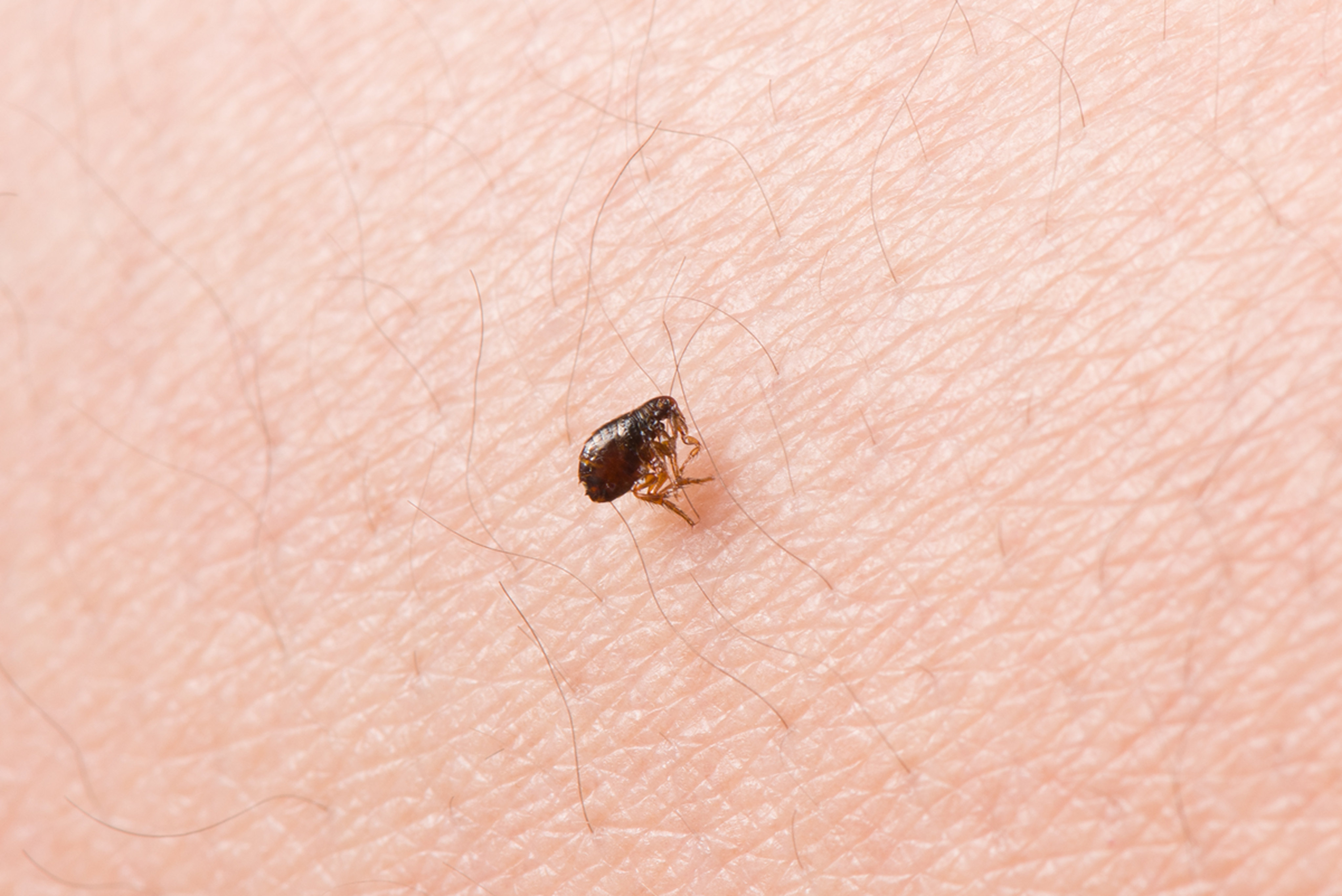
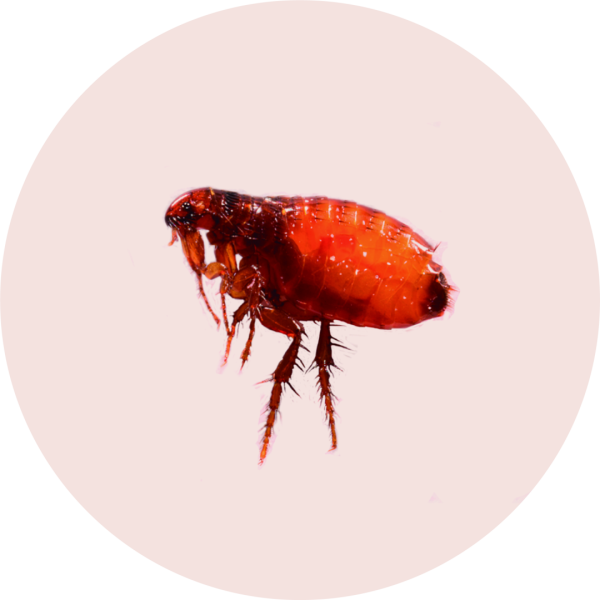
Fleas are small but highly persistent parasites that can quickly turn into a widespread problem in your home. Their ability to reproduce rapidly and hide in hard-to-reach places makes them difficult to detect and even harder to eliminate. Understanding how fleas develop and spread—from eggs to larvae, pupae, and eventually adult fleas—is essential to effectively breaking their life cycle and protecting your pets and living environment.
Overview
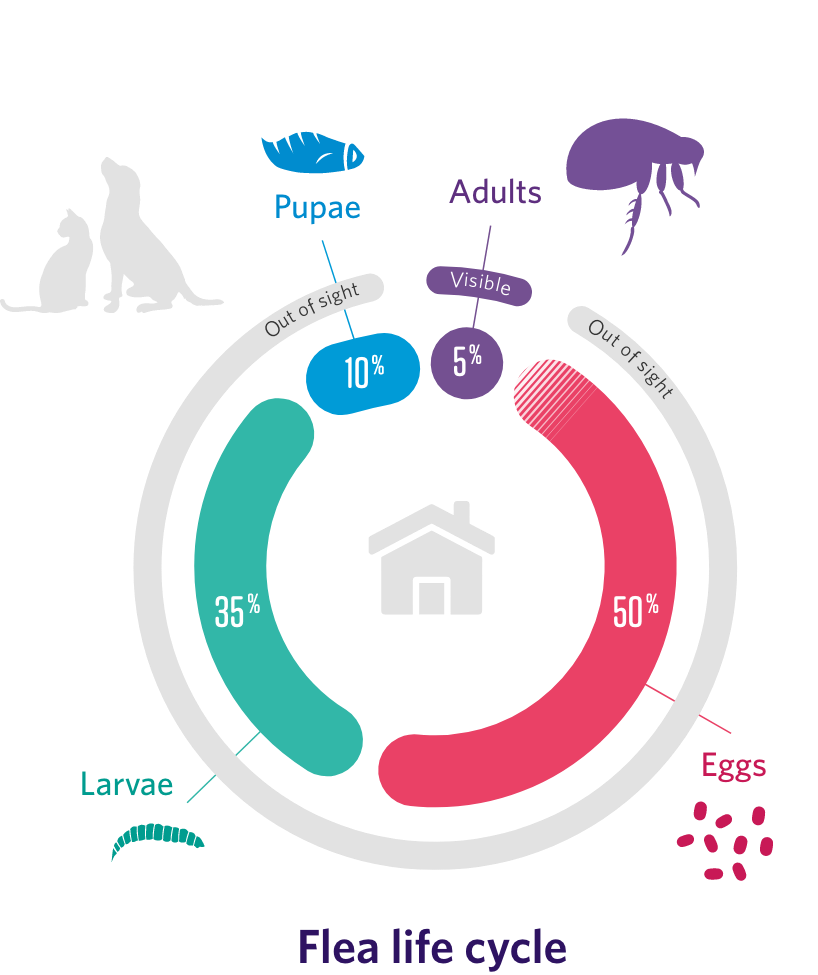
Flea eggs can survive for approximately 10 days before hatching. Flea eggs cannot survive extreme heat, so washing your cat’s or dog’s bedding and toys, along with vacuuming and scrubbing your furniture and floors helps to remove them. It’s best to clean frequently to get rid of flea eggs.
Flea larvae are also hard to find. These are whitish-looking and maggot-like and hatch from flea eggs. They measure roughly two millimeters in length when they first hatch, and quickly burrow themselves into the dark looking for flea dirt. As flea larvae mature, they may grow up to 4-5 millimeters in length before spinning a cocoon so they can transform into pupae.
Flea larvae spin a cocoon around themselves using their saliva along with any other dirt and debris that they can find. This cocoon is well camouflaged within the environment. These are found in places like cracks and crevices, deep within carpets and bedding. The pupae are virtually indestructible within the armour-like cocoon. When they hatch, adult fleas emerge and quickly look for a host to survive. The cycle continues on and on unless all adult fleas, eggs, maggots, and pupae are eliminated from the home.
Eradicating all fleas from your home can take up to three months once one flea is found. The good news is that you can plan ahead and keep your home free of fleas. Be sure to choose a treatment that’s easy to use and administer and that offers long-lasting protection. Remember that it’s essential to maintain continuous treatment year round. Otherwise, you open the door for one flea to lay the foundation to create entire flea communities in every crack, crevice, and corner of your home. When it comes to fleas, it’s simply not worth the risk to lay out a welcome mat.
Vets recommend BRAVECTO for its fast-acting formula and long-lasting efficacy, delivering reliable, continuous defence with fewer treatments.
Risks
Fleas are more than just a nuisance, they can pose real health risks to your pet:
- Skin irritation and itching
Flea bites can cause discomfort and excessive scratching. - Flea allergy dermatitis
Some pets develop allergic reactions, leading to more severe skin conditions. - Transmission of parasites
Fleas can carry tapeworms and other pathogens. - Infestations in the home
Fleas can spread to carpets, bedding, and furniture, making them harder to eliminate.

Life Cycle
Usually, people don’t think about the flea eggs that are laid after an adult flea consumes a meal, or the larvae that eventually hatch or the pupa that develops, but you need to look for fleas in all stages to protect your cat, dog, family, and yourself.
As soon as one flea consumes one blood meal, the foundation for an entire flea community begins. It’s as if that very first flea is the general contractor for Flea City and within 24 hours of consuming her first of many meals construction is well underway. Fleas will lay up to 50 eggs per day from around 24 hours after feeding.
Adult fleas’ first meal preference is to be on your cat or dog, but they will jump on any living, breathing, moving object, so you are fair game too. They just won’t make themselves at home on your coat or skin the same way they will with your cat or dog.
Flea eggs are very hard to see. Flea eggs are small, oval white specks that resemble a grain of salt.
Treatment and Prevention
The most effective way to prevent the presence of ectoparasites in our pets and homes is through prevention.
However, if these ectoparasites have already entered your home, you should:
Use an antiparasitic treatment that not only eliminates fleas and ticks on your pet, but also interrupts their life cycle in your home. This means eliminating them before they can reproduce and lay new eggs. To break this cycle, at least 12 weeks of continuous protection are required.
Try a BRAVECTO solution for protection
BRAVECTO Chew
Keep your dog protected against fleas and paralysis ticks with one long-lasting tasty chew every 3 months.
You may also be interested in:

Ticks
Ticks are persistent external parasites that can attach to the skin and feed on blood for several days. Because they are commonly found in outdoor environments and can go unnoticed while feeding, they represent a continuous risk to pets. Underst…

Mites
Mites are microscopic parasites that live on or within the skin. Although they are not always visible, they can cause persistent irritation and skin conditions that worsen over time. Understanding how mites spread and develop is key to identifying..

Fleas
Fleas are small but highly persistent parasites that can quickly turn into a widespread problem in your home. Their ability to reproduce rapidly and hide in hard-to-reach places makes them difficult to detect and even harder to eliminate. Understanding how..