


Mites: Everything you need to know
Understand how they affect your pet, the risks they pose, and how to effectively control them.
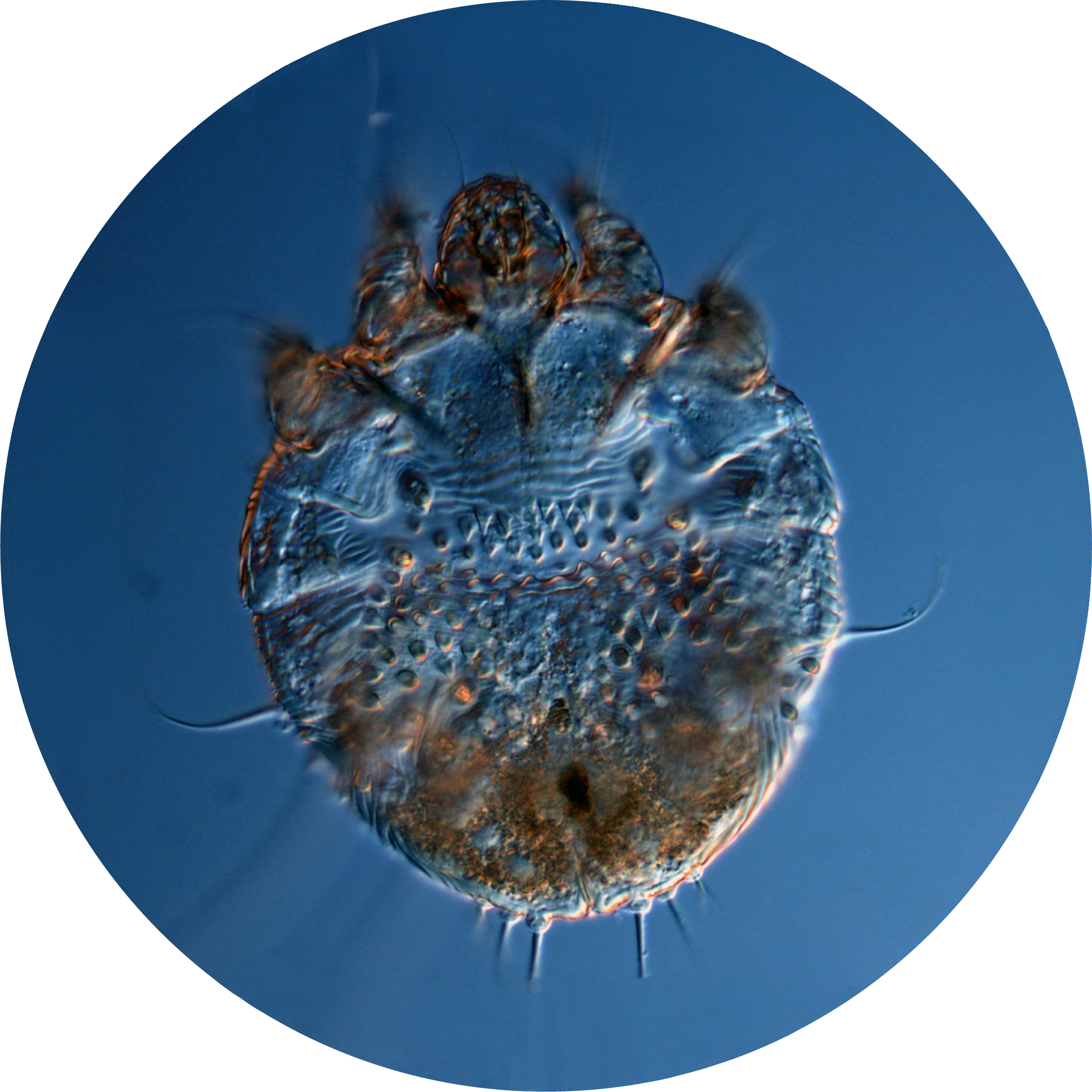
Mites are microscopic parasites that live on or within the skin. Although they are not always visible, they can cause persistent irritation and skin conditions that worsen over time. Understanding how mites spread and develop is key to identifying infestations early and preventing more severe outcomes.
Overview
Mites exist in different forms, each adapted to a specific environment on the host. Some mites live on the surface of the skin, while others burrow into deeper layers or reside in hair follicles or ear canals.
Their life cycle typically includes egg, larva, nymph, and adult stages. These stages occur directly on the host, allowing infestations to build quickly if left untreated. Because mites are microscopic, their presence is often only detected once symptoms such as itching or irritation appear.
Transmission can occur through direct contact with infected animals or contaminated environments. In some cases, mites can persist in bedding or living areas, increasing the risk of reinfestation.
As infestations progress, the number of mites increases, leading to more noticeable skin damage and discomfort.
Mites are not visible to the naked eye, which means infestations often develop before they are recognized.
Risks of Mites
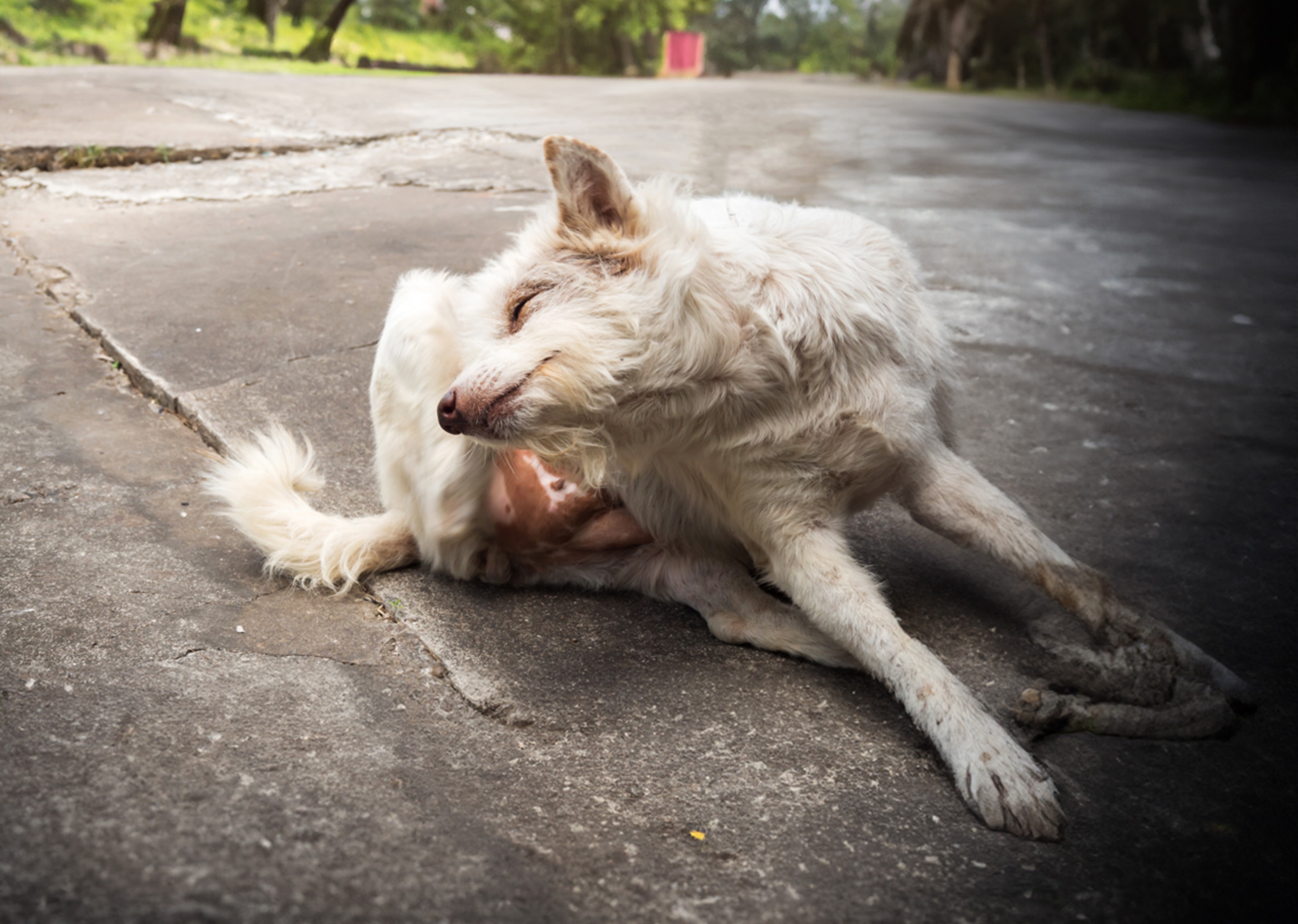
- Persistent itching and discomfort
Infestations often cause continuous scratching - Skin inflammation and lesions
Redness and irritation can develop as the condition progresses - Hair loss
Certain infestations can lead to visible loss of hair - Secondary infections
Damaged skin can become infected over time - Spread through contact
Mites can be transmitted between animals or environments
Treatment and Prevention
The most effective way to manage mites is through a combination of treatment and prevention.
If mites are present:
Use a veterinary recommended treatment that eliminates mites across all life stages. This helps stop reproduction and reduces the severity of the infestation.
Environmental hygiene also plays an important role. Cleaning bedding and living areas can help reduce the risk of reinfestation.
Because mites can spread through contact, ongoing protection is important to prevent recurrence and maintain skin health over time.
Try a BRAVECTO solution for protection
BRAVECTO Chew
Keep your dog protected against fleas and paralysis ticks with one long-lasting tasty chew every 3 months.
You may also be interested in:

Fleas
Fleas are small but highly persistent parasites that can quickly turn into a widespread problem in your home. Their ability to reproduce rapidly and hide in hard-to-reach places makes them difficult to detect and even harder to eliminate. Understanding how…

Ticks
Ticks are persistent external parasites that can attach to the skin and feed on blood for several days. Because they are commonly found in outdoor environments and can go unnoticed while feeding, they represent a continuous risk to pets. Underst…