

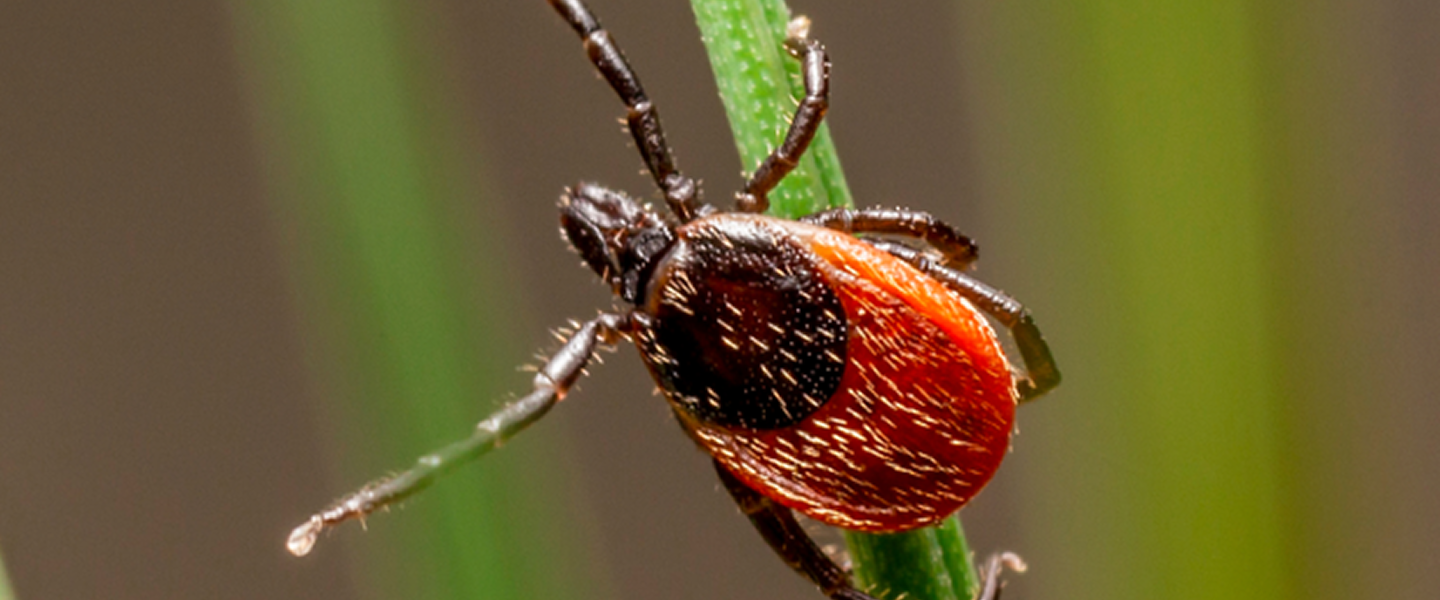
Ticks: Everything you need to know
Understand how they affect your pet, the risks they pose, and how to effectively control them.
Ticks are persistent external parasites that can attach to the skin and feed on blood for several days. Because they are commonly found in outdoor environments and can go unnoticed while feeding, they represent a continuous risk to pets. Understanding how ticks develop, attach, and feed is essential to reducing exposure and protecting overall health.
Overview
Ticks develop through four life stages: egg, larva, nymph, and adult. After hatching, ticks must find a host and take a blood meal to progress to the next stage. This process can take place across different hosts and environments, which contributes to their widespread presence.
Ticks do not jump or fly. Instead, they wait on vegetation and attach when a host brushes past. Once attached, they insert their mouthparts into the skin and begin feeding slowly. During this feeding process, ticks can remain on the host for several days, increasing in size as they ingest blood.
Because immature ticks are very small, they can be difficult to detect. Many infestations begin unnoticed, especially in areas that are harder to inspect. Regular exposure to outdoor environments increases the likelihood of repeated contact with ticks, making prevention essential.
Ticks can attach and feed without being immediately noticed, meaning exposure can happen even after a single outdoor outing.
Risks of Ticks
Ticks can pose several health risks:
- Skin irritation and itching
Tick bites can cause discomfort and localized reactions - Transmission of diseases
Ticks can carry pathogens that may lead to serious illnesses - Life-threatening paralysis
When the Australian paralysis tick feeds, it releases a toxin which may causes paralysis and death - Hard to detect infestations
Smaller ticks can go unnoticed, especially in dense fur - Ongoing exposure
Pets that spend time outdoors are at continuous risk of picking up new ticks
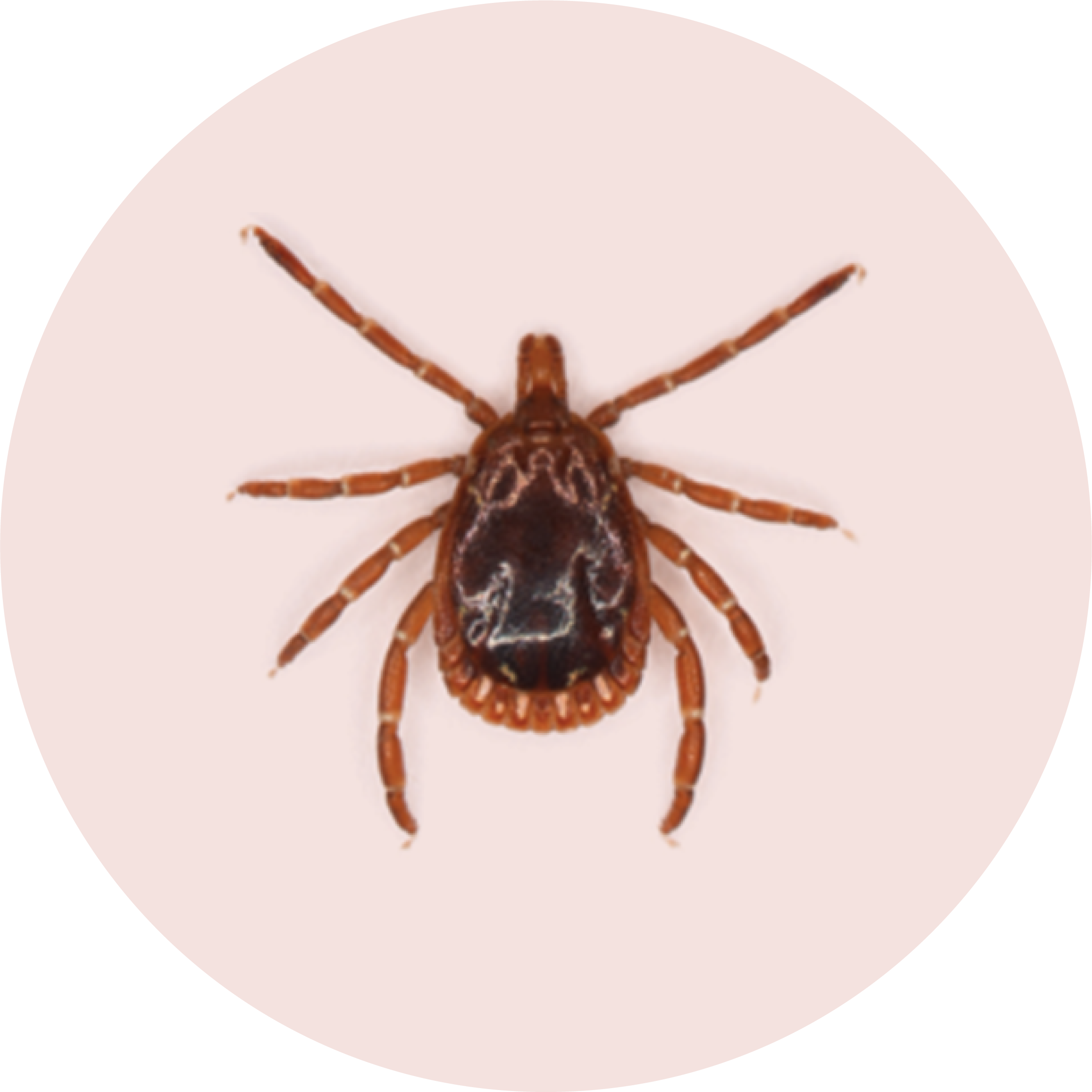

Treatment and Prevention
The most effective way to protect against ticks is through consistent, year-round prevention.
If ticks are present:
• Use a veterinary recommended treatment that kills ticks quickly
• Choose long lasting protection to reduce reinfestation
• Perform regular checks, especially after outdoor activities
• Maintain outdoor hygiene to reduce exposure
Continuous protection helps minimise risks across all environments.
Try a BRAVECTO solution for protection
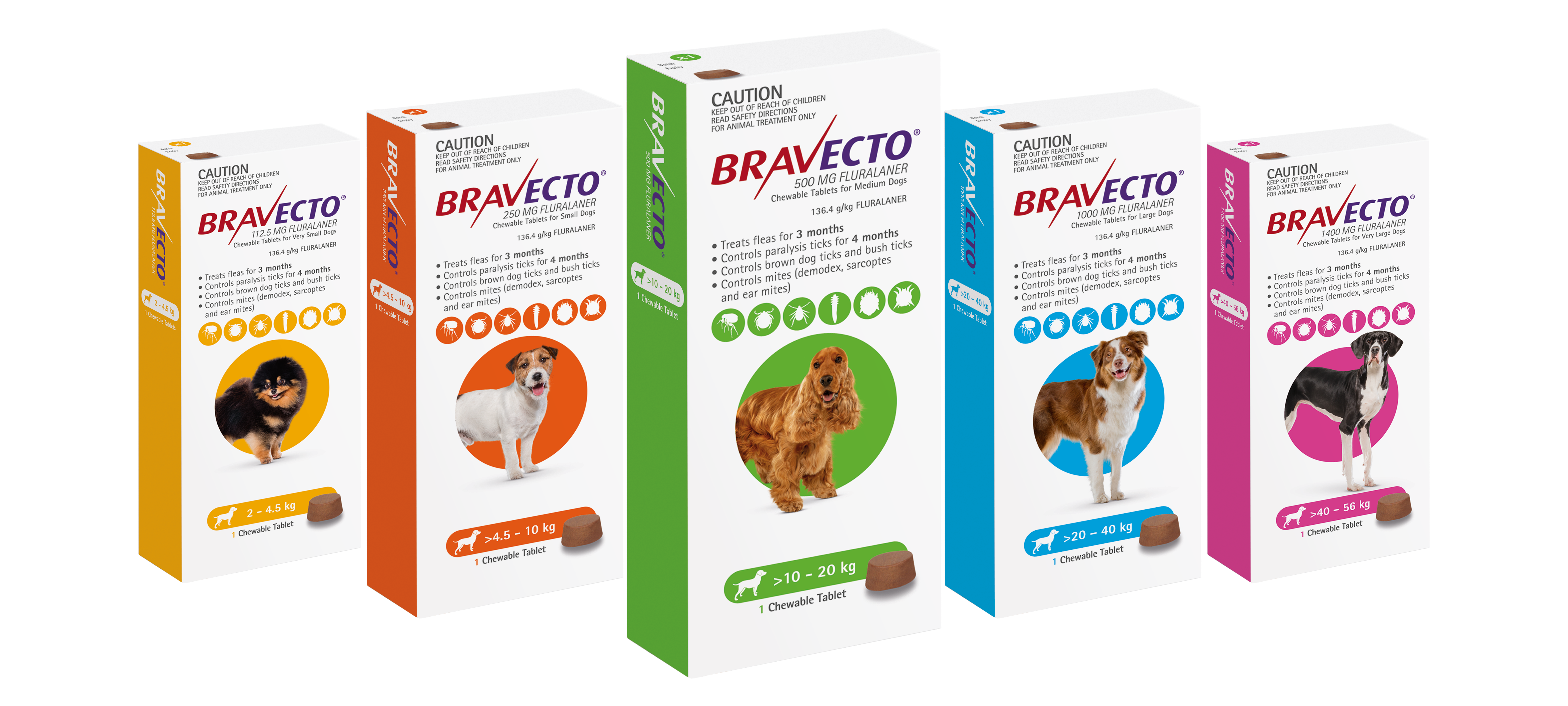
BRAVECTO Chew
Fast, easy, long-lasting protection. An oral chew providing protection against fleas and paralysis ticks for 3 months.
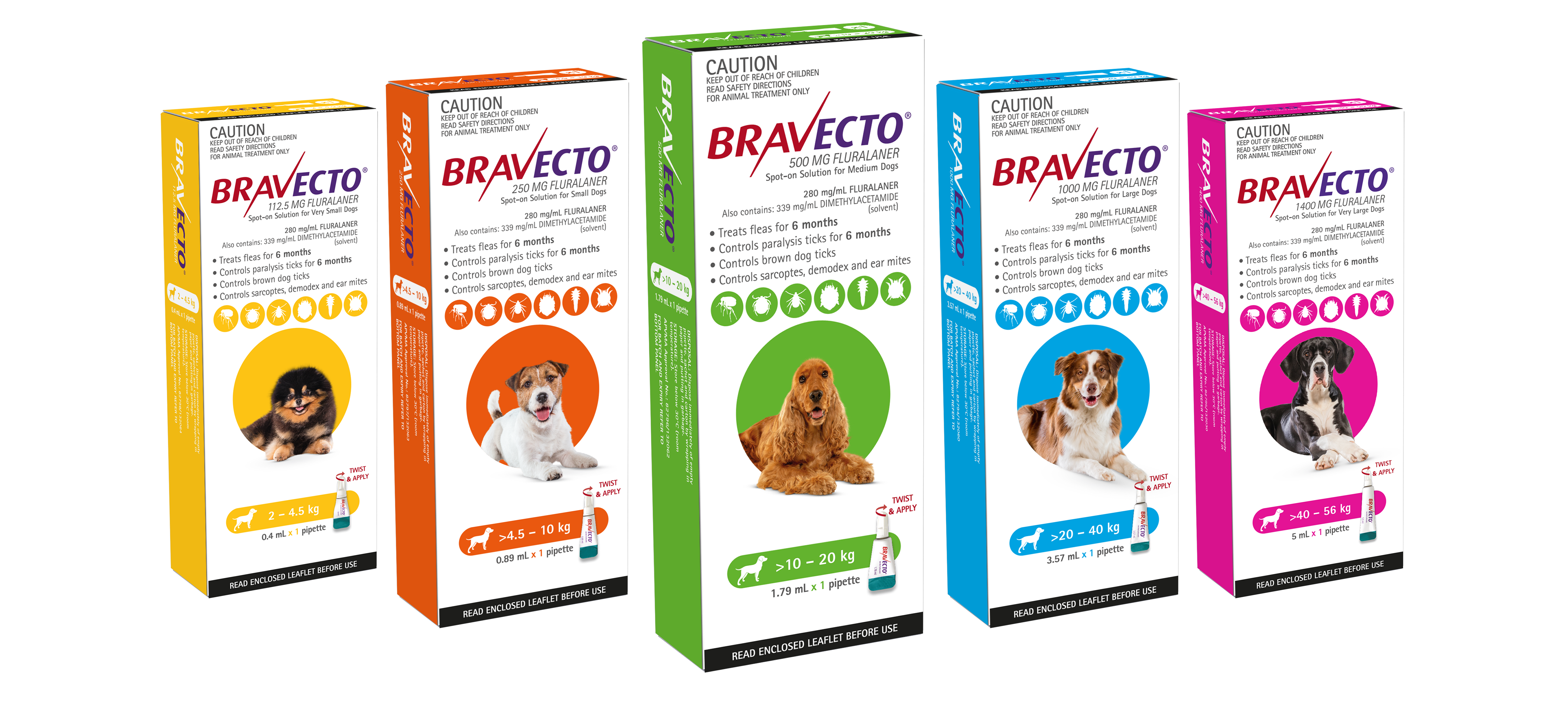
BRAVECTO Spot-on for Dogs
For owners who prefer topical treatments and for dogs that are picky eaters or have gastrointestinal sensitivity. Provides protection against fleas and paralysis ticks for 6 months .
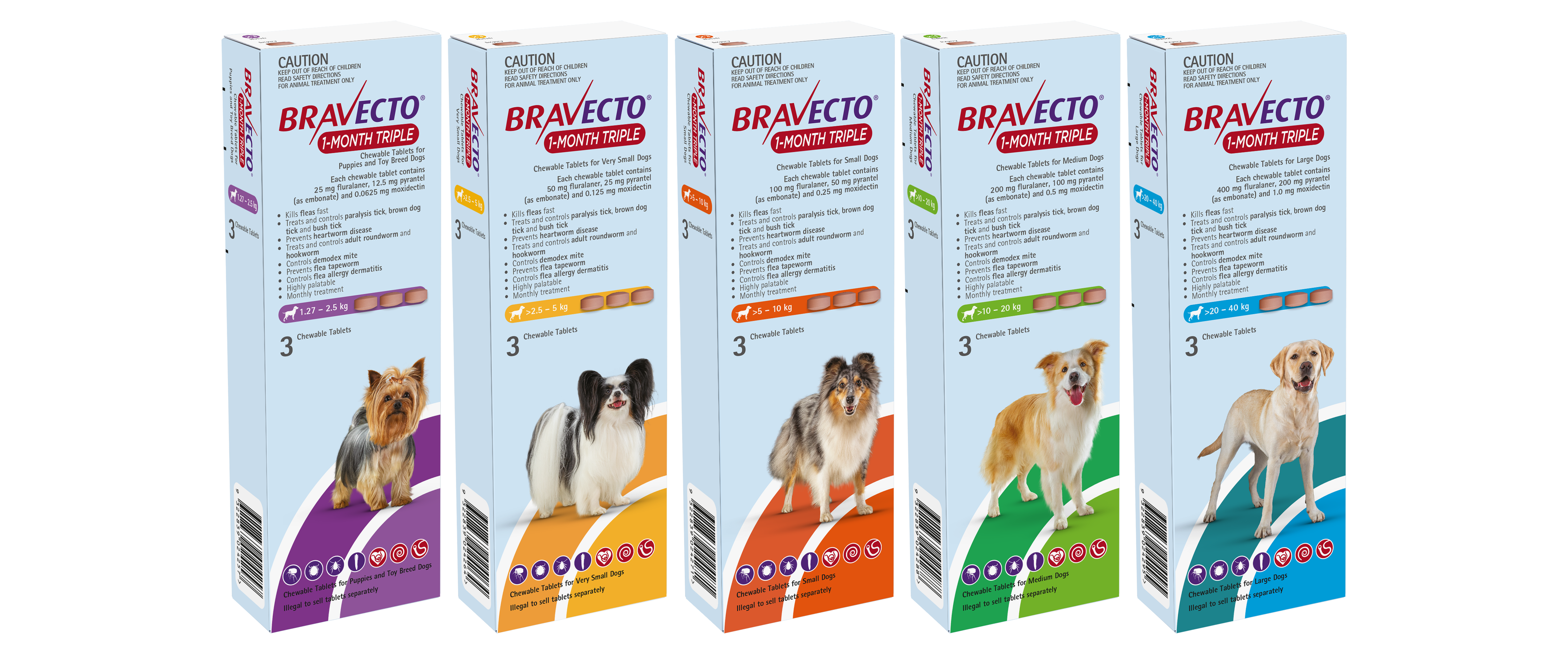
BRAVECTO 1-Month Triple
Broad-spectrum internal and external parasite protection, provides monthly coverage against fleas, ticks, and key worms.
Parasites in Dogs

Fleas
Fleas are small but highly persistent parasites that can quickly turn into a widespread problem in your home. Their ability to reproduce rapidly and hide in hard-to-reach places makes them difficult to detect and even harder to eliminate. Understanding how…

Mites
Mites are microscopic parasites that live on or within the skin. Although they are not always visible, they can cause persistent irritation and skin conditions that worsen over time. Understanding how mites spread and develop is key to identifying..