


Intestinal worms: Everything you need to know
Understand how they affect your pet, the risks they pose, and how to effectively control them.
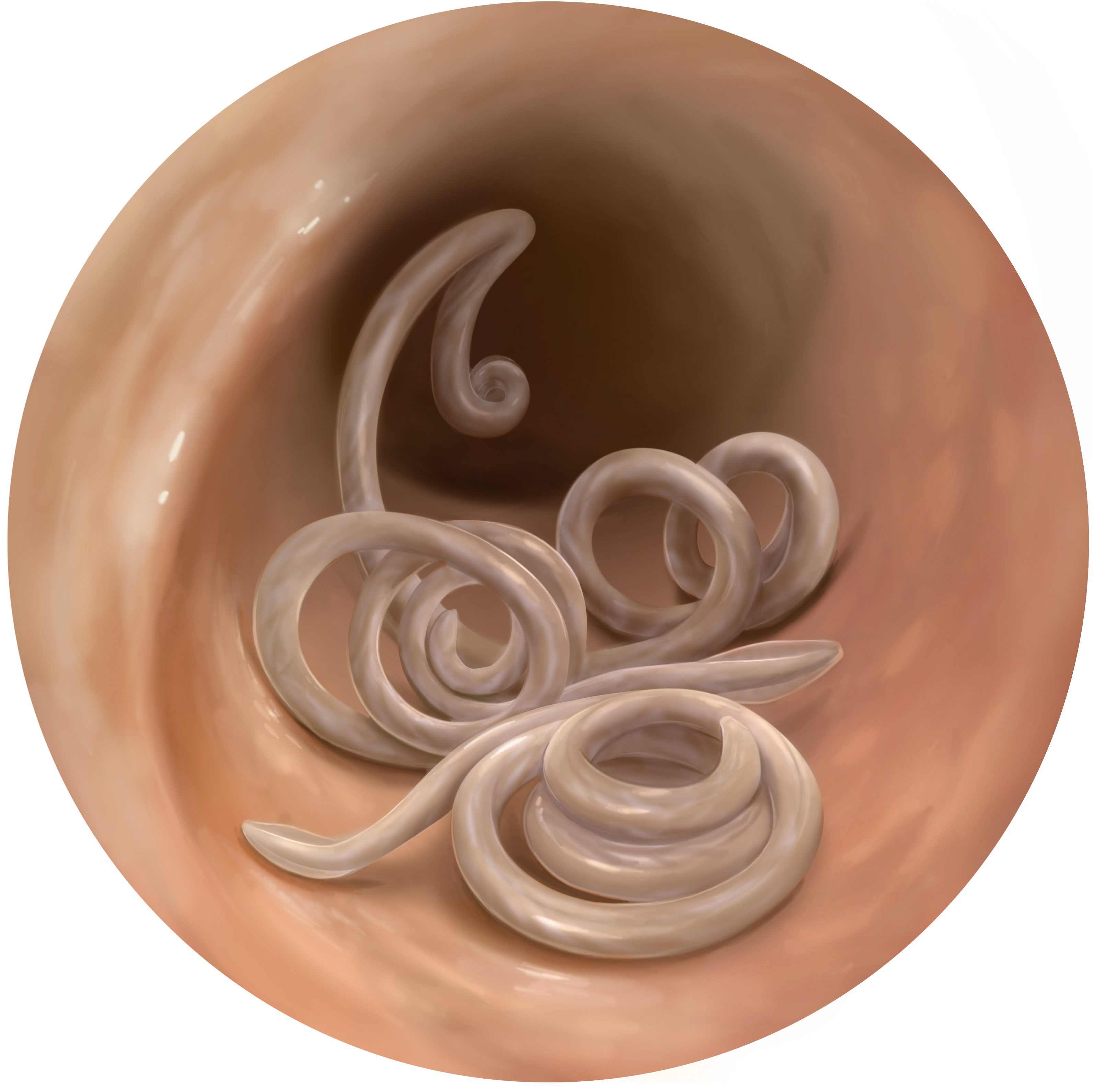
Intestinal worms are internal parasites that live in the digestive system. They are commonly acquired through contaminated environments, ingestion of infected prey, or exposure to intermediate hosts. Because infections can develop without immediate signs, they may go unnoticed if not actively managed.
Overview
Intestinal worms include several types of parasites such as roundworms and tapeworms. These parasites live and feed within the intestines, absorbing nutrients from the host.
Their life cycles vary but often involve eggs or larvae that are shed into the environment. These stages can persist in soil, on surfaces, or in intermediate hosts, allowing transmission to continue.
Infection occurs when these stages are ingested. Because this process is not always visible, pets can become infected without obvious exposure. Once inside the body, worms can grow and reproduce, maintaining the cycle.
Without intervention, intestinal worms can persist and continue to spread within the environment.
Vets recommend BRAVECTO as part of a comprehensive parasite management plan, supporting continuous protection and simplifying preventive care routines.
Risks of Intestinal Worms
Intestinal worms can affect overall health in several ways:
- Digestive disturbances
Vomiting or diarrhea may occur - Nutrient loss
Parasites can interfere with normal nutrition - Weight loss and poor condition
Ongoing infestations may impact general health - Environmental contamination
Eggs can spread in living areas and contribute to reinfection

Treatment and Prevention
Intestinal worms can be present without visible signs, which makes routine prevention essential.
The most effective way to manage intestinal worms is through regular prevention.
If worms are present, use veterinary recommended deworming treatments that eliminate parasites and help stop their life cycle. Maintaining hygiene in living areas and controlling exposure to intermediate hosts also helps reduce reinfection.
Consistent prevention is key to reducing long-term risk and maintaining overall health.
Try a BRAVECTO solution for protection
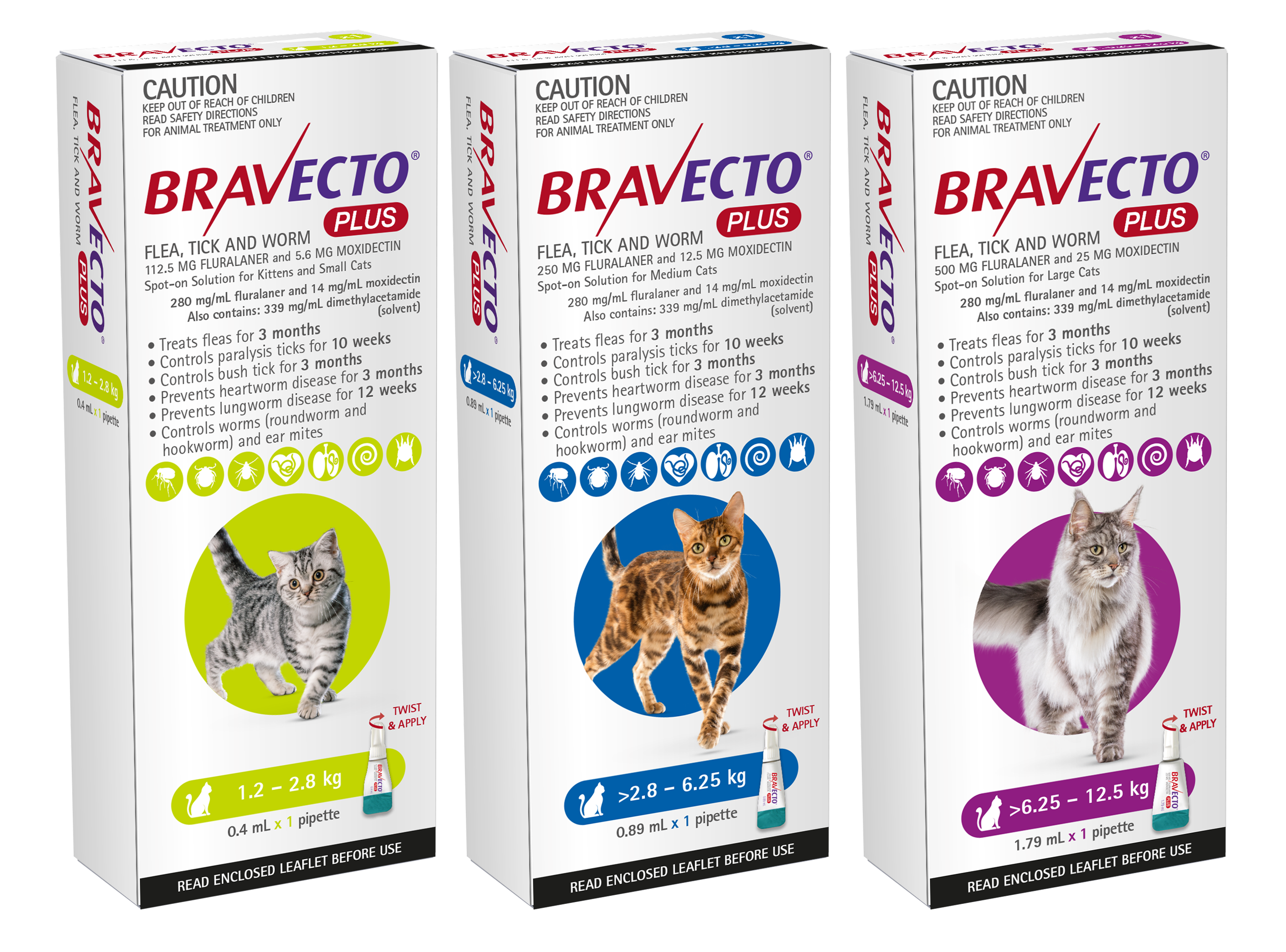
BRAVECTO PLUS
An even broader range of parasite protection for cats in one convenient and long-lasting dose applied on the skin.
You may also be interested in:

Fleas
Fleas are small but highly persistent parasites that can quickly turn into a widespread problem in your home. Their ability to reproduce rapidly and hide in hard-to-reach places makes them difficult to detect and even harder to eliminate. Understanding how…

Heartworms
Heartworms are internal parasites transmitted through mosquito bites. They can affect the heart and lungs and may develop without obvious early signs. Because infections can progress silently, understanding transmission and prevention is crit…