


Heartworms: Everything you need to know
Understand how they affect your pet, the risks they pose, and how to effectively control them.
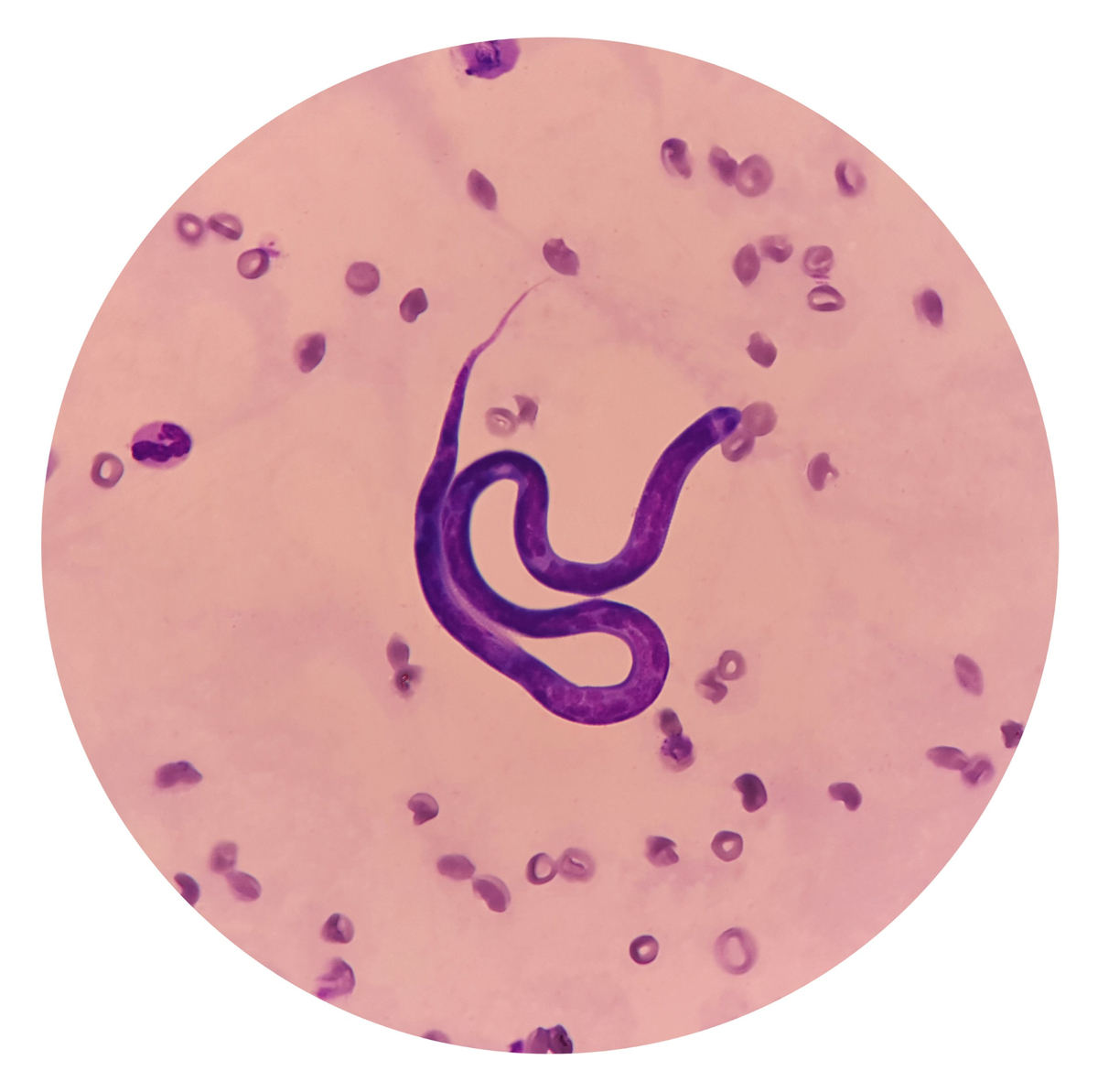
Heartworms are internal parasites transmitted through mosquito bites. They can affect the heart and lungs and may develop without obvious early signs. Because infections can progress silently, understanding transmission and prevention is critical.
Overview
Heartworm infection begins when an infected mosquito transmits microscopic larvae into the bloodstream. These larvae migrate through the body over time, eventually reaching the lungs and heart, where they continue to develop.
The development process can take several months. During this time, the infection may not produce clear symptoms, making early detection difficult. Even a small number of parasites can cause significant effects once they reach critical organs.
Because transmission depends on mosquitoes, risk is influenced by environmental exposure. However, mosquitoes can enter indoor spaces, meaning exposure is not limited to outdoor environments.
The complexity of the parasite’s life cycle and the difficulty of early detection make prevention essential.
Heartworm infections can develop over time without clear signs, making prevention essential even when pets appear healthy.
Risks of Heartworms
- Respiratory issues
Coughing or difficulty breathing may develop - Lung inflammation
Parasites can trigger significant internal reactions - Delayed detection
Symptoms may appear only in later stages - Severe outcomes
In advanced cases, infections can become life threatening

Treatment and Prevention
Prevention is the most effective way to manage heartworms.
If infection occurs, management can be complex, which is why preventive care is critical.
Use veterinary recommended preventive treatments consistently to reduce the risk of infection. Limiting exposure to mosquitoes and maintaining regular veterinary check ups also supports early detection and protection.
Continuous prevention helps reduce risk and protects long term health.
Try a BRAVECTO solution for protection
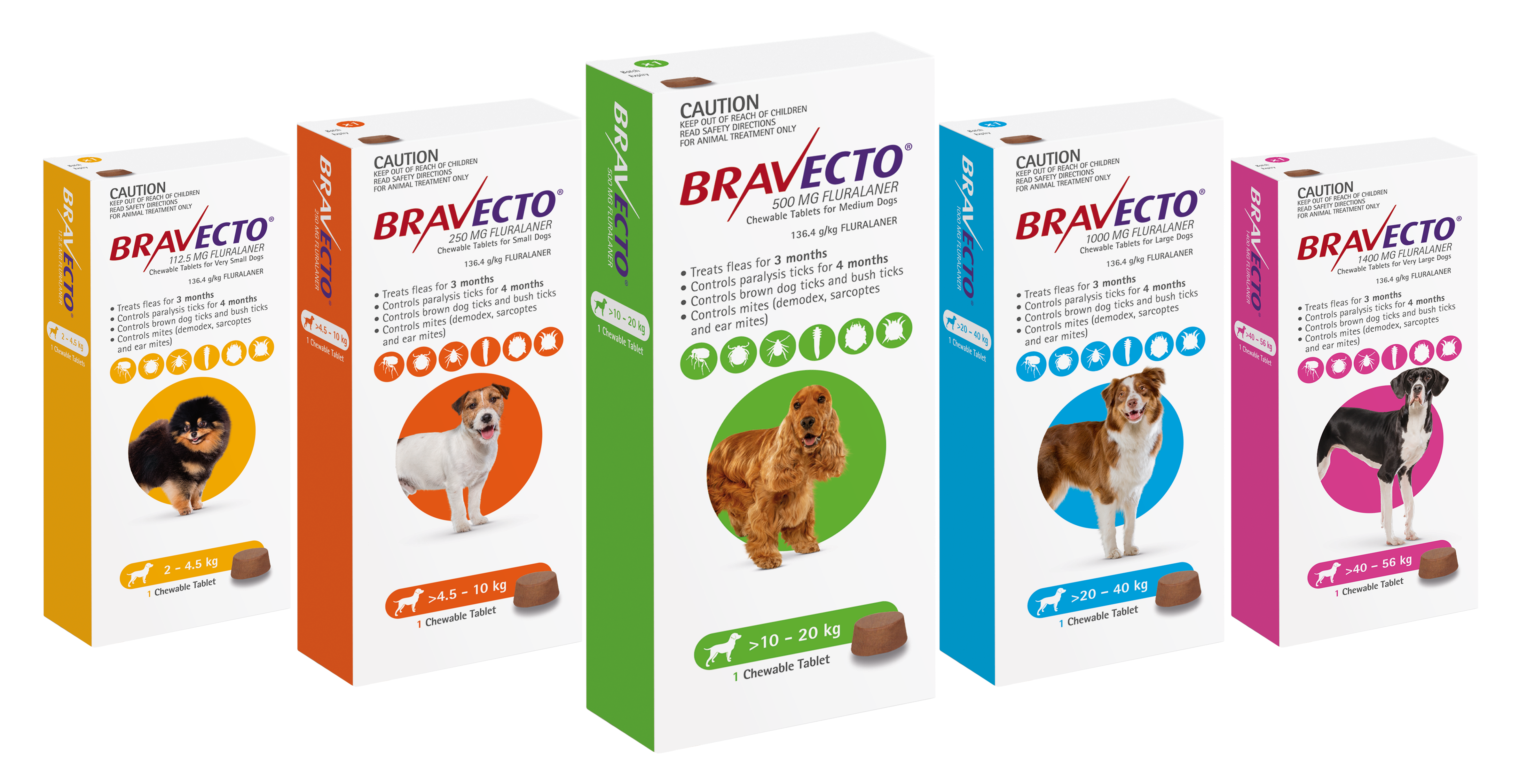
BRAVECTO Chew
Keep your dog protected against fleas and paralysis ticks with one long-lasting tasty chew every 3 months.
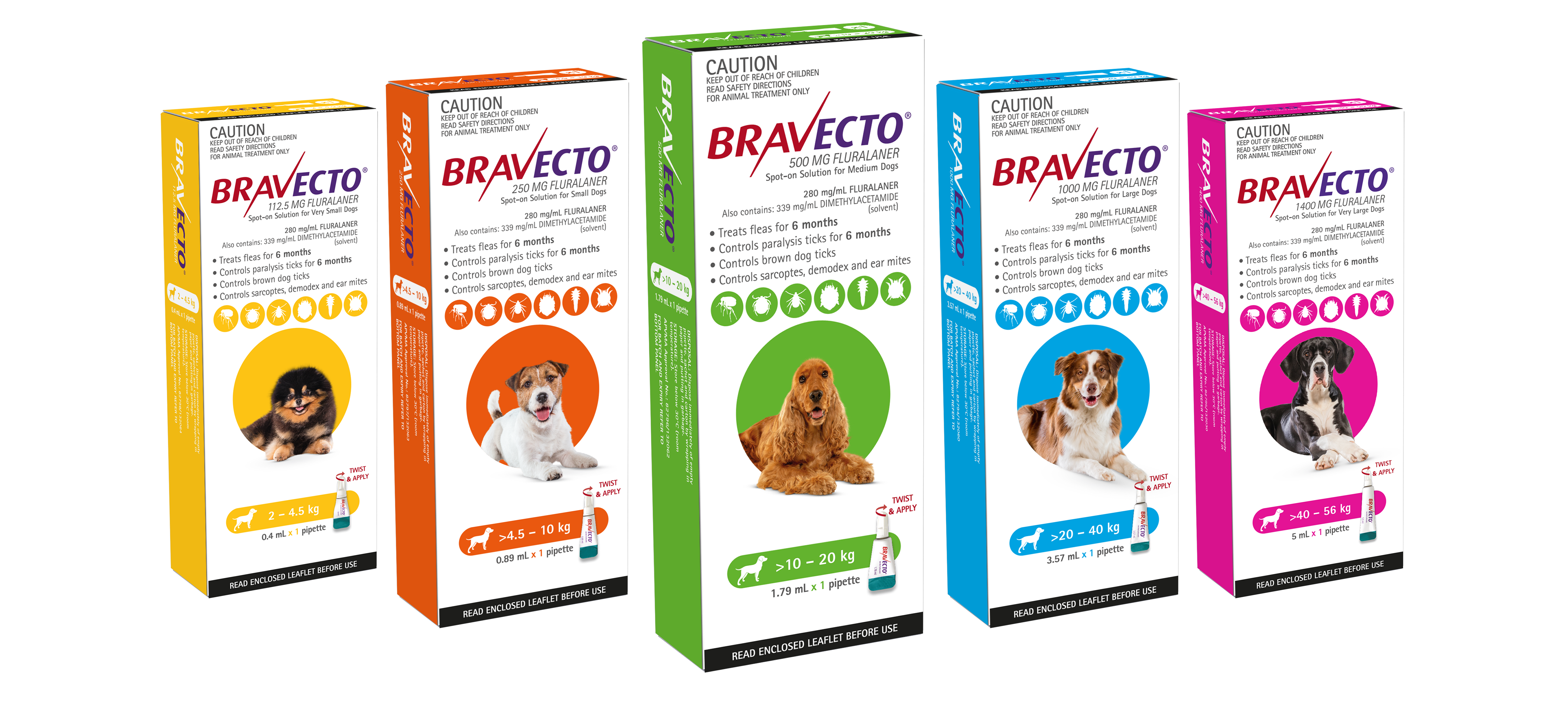
BRAVECTO Spot-On for Dogs
One dose of BRAVECTO Spot-on for Dogs protects your pets against fleas and paralysis ticks for nearly 6 times longer than 1 dose of any monthly treatment
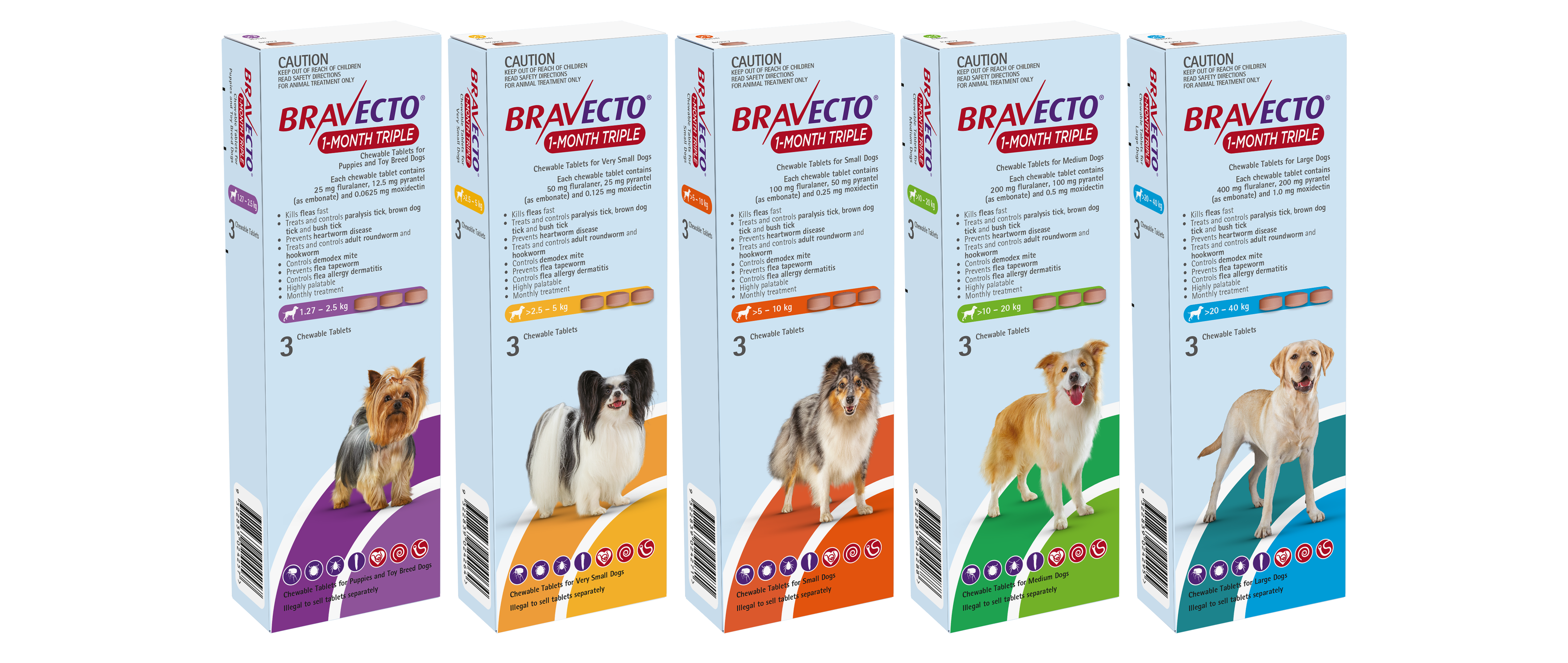
BRAVECTO One Month Triple
Broad-spectrum internal and external parasite protection, provides monthly coverage against fleas, ticks, and key worms.
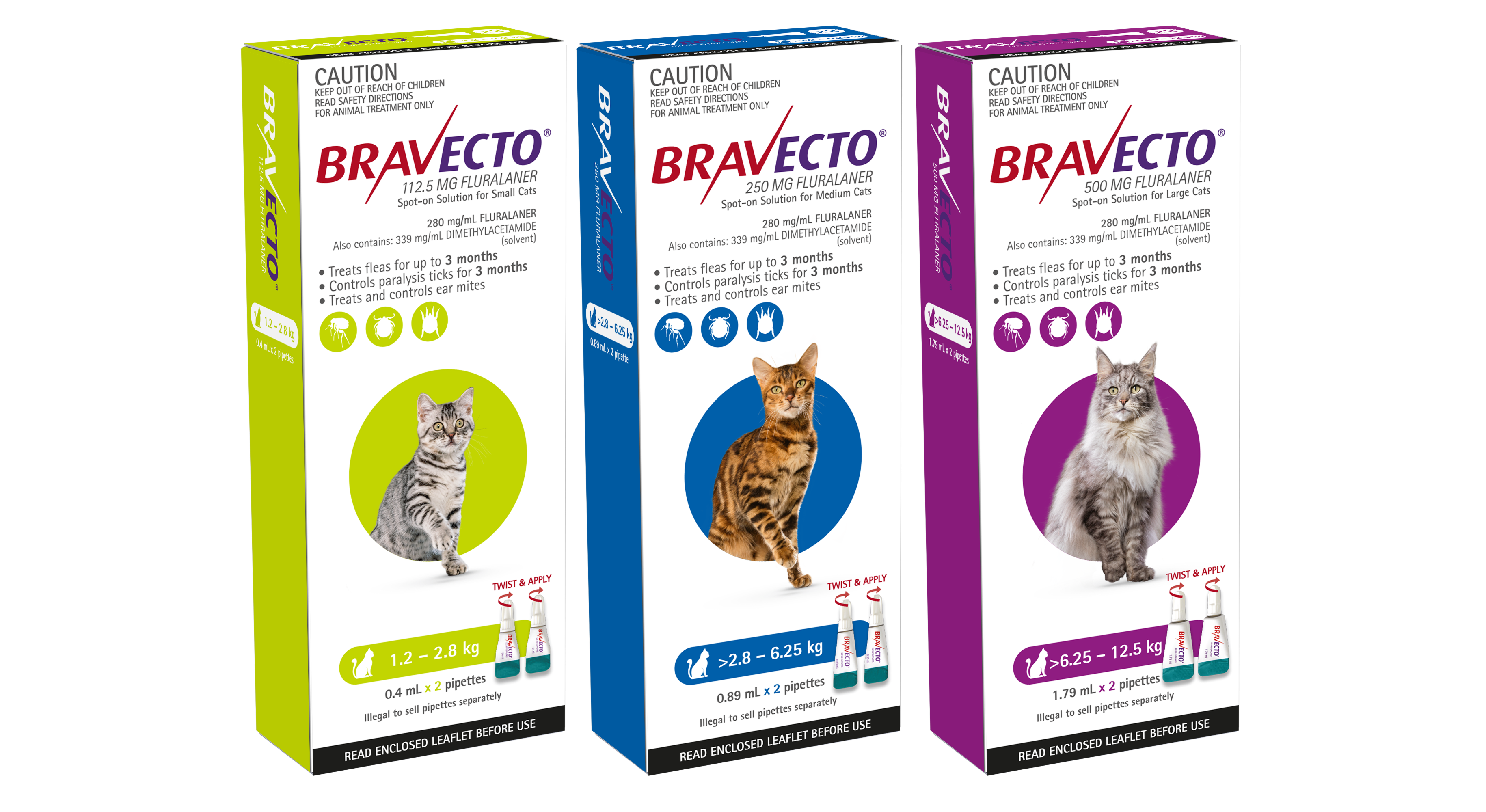
BRAVECTO Spot-On for Cats
Keep your dog protected against fleas and paralysis ticks with one long-lasting tasty chew every 3 months.
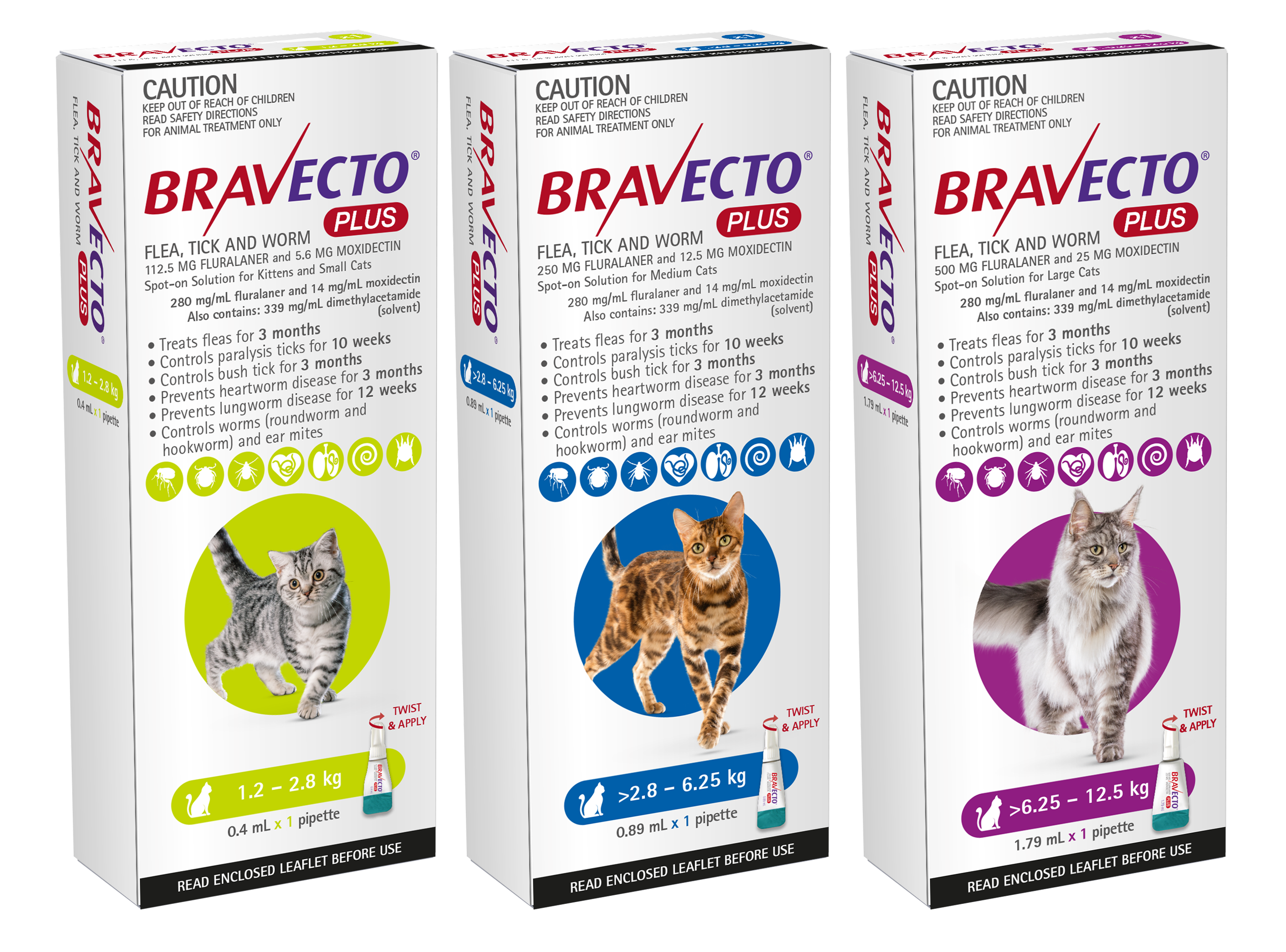
BRAVECTO Plus
An even broader range of parasite protection for cats in one convenient and lasting dose applied on the skin.
You may also be interested in:

Fleas
Fleas are small but highly persistent parasites that can quickly turn into a widespread problem in your home. Their ability to reproduce rapidly and hide in hard-to-reach places makes them difficult to detect and even harder to eliminate. Understanding how…

Intestinal worms
Intestinal worms are internal parasites that live in the digestive system. They are commonly acquired through contaminated environments, ingestion of infected prey, or exposure to intermediate hosts. Because infections can develop without immediat…