


Paralysis Ticks: Protecting Your Dog Starts with Prevention
A single paralysis tick can put a healthy dog’s life at risk. Learn why prevention, consistency, and early action matter.
Tick paralysis isn’t rare. It’s one of Australia’s most common pet emergencies.
Paralysis ticks are among the most serious parasite threats for dogs in Australia. These ticks attach to pets and release toxins that can rapidly affect movement, breathing, and overall health.
A dog may appear completely healthy one day and develop life-threatening symptoms shortly after a tick bite. Because paralysis ticks can be difficult to notice, prevention plays a critical role in keeping dogs safe.
Key Facts
- Around 10,000 Cases Every Year¹
Tick paralysis is one of Australia’s most common veterinary emergencies, with approximately 10,000 reported cases annually. - Fast Progression
Paralysis can develop quickly, causing weakness, mobility issues, and respiratory complications if left untreated. - Prevention Matters
Modern preventive treatments can significantly reduce risk when administered consistently throughout the year.
It only takes one tick to change everything.
Paralysis ticks often strike without warning. Missing even a single treatment can leave dogs vulnerable during tick season and throughout the year in high-risk regions.
Risks of Paralysis Ticks
- Severe Health Consequences
Tick toxins can affect the nervous system and rapidly worsen if treatment is delayed. - Difficult to Detect
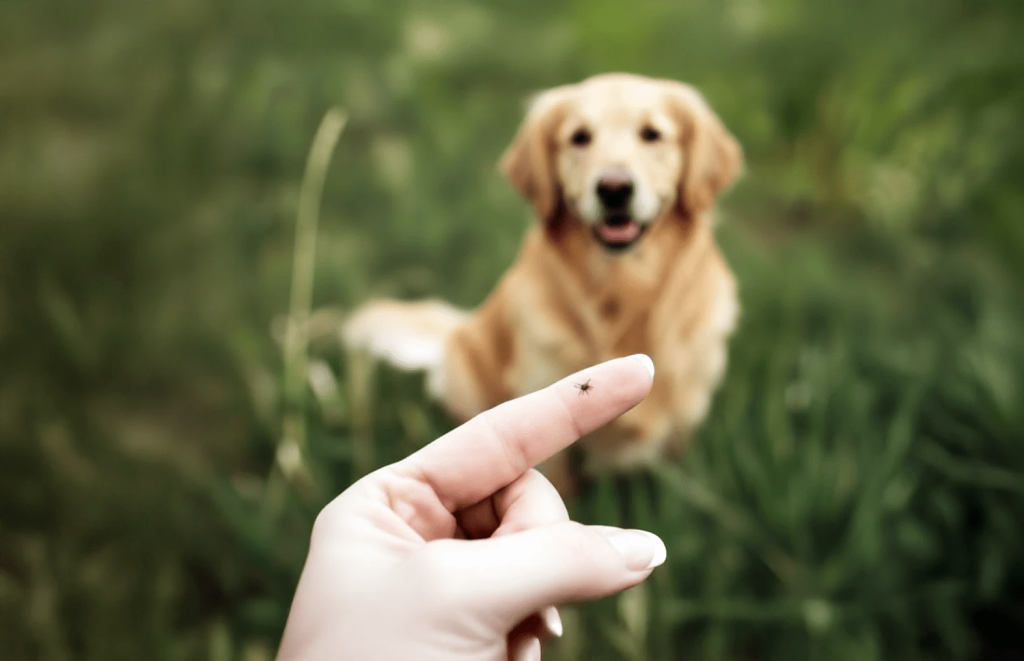
Ticks are small and often hide in dense fur or hard-to-reach areas. - Sudden Onset
Symptoms can appear unexpectedly, even in dogs that seemed healthy only hours before. - Ongoing exposure
Dogs who spend time outdoors may encounter ticks regularly, making continuous protection important.
47%
of dog owners reported missing at least one parasite treatment during the previous year.
45%
say remembering treatments is difficult.
57%
find administering treatments challenging. (survey of Australian and New Zealand Pet Owners).²
Treatment and Prevention
Talk to Your Veterinarian
A veterinarian can help identify the most appropriate prevention strategy based on lifestyle, location, and risk factors.
Stay Consistent
The most effective prevention plan is the one that is followed consistently.
Perform Regular Tick Checks
Even with preventive products, routine tick checks remain an important part of protection.
Choose a Routine That Works
Whether treatment is administered at home or during veterinary visits, selecting a manageable routine helps reduce missed doses.
Questions to Ask Your Veterinarian
- How can I ensure my dog remains protected year-round?
- What options help reduce the chance of missed treatments?
- Are there veterinarian-administered and at-home prevention choices?
- How frequently will treatment need to be administered?
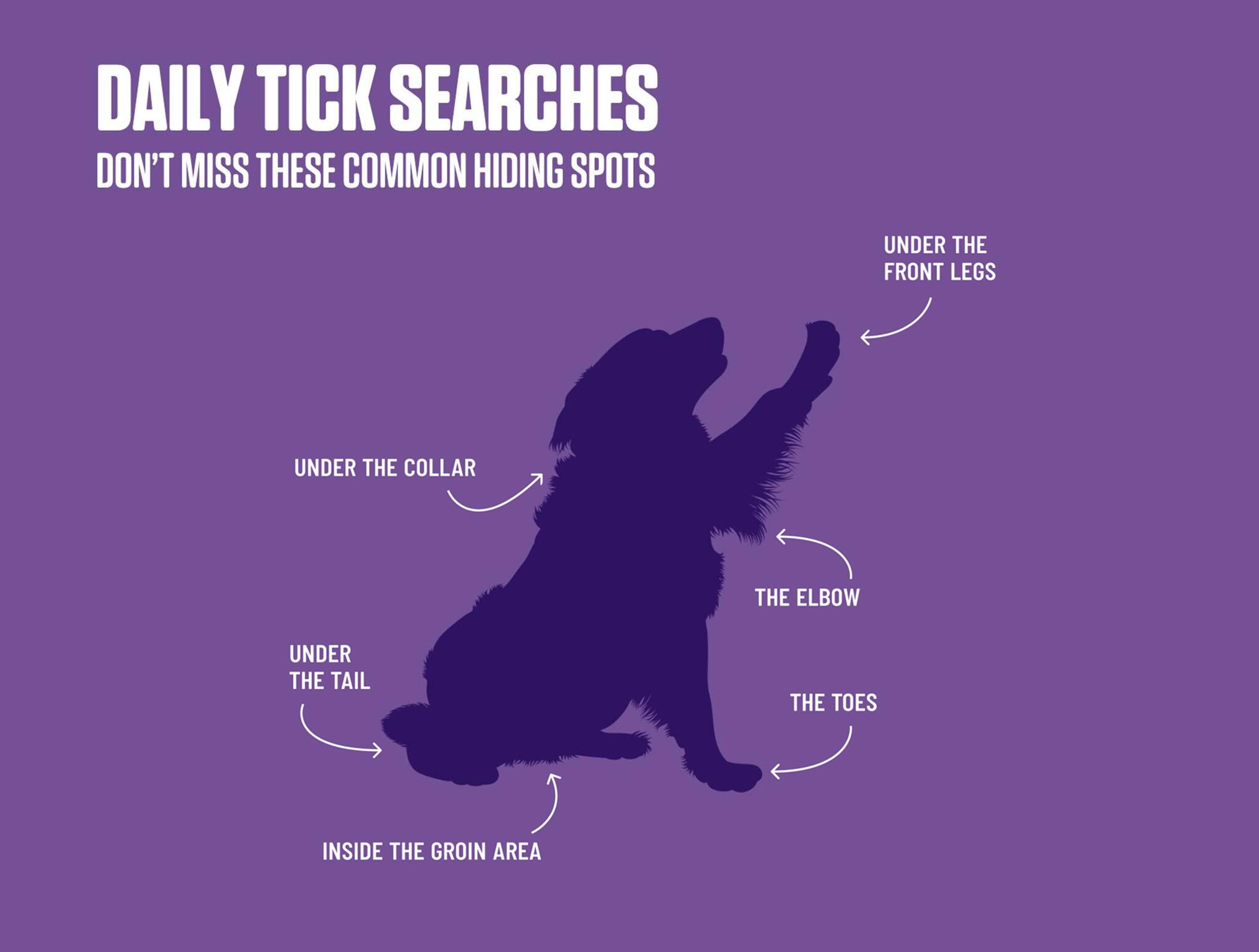
For paralysis tick control, it is recommended that BRAVECTO be used in conjunction with daily searching for, and removal of any ticks found, as the risk of tick paralysis cannot be entirely eliminated. Speak with your veterinarian for advice on tick searching and removal techniques
Try a BRAVECTO solution for protection
BRAVECTO Chew
Keep your dog protected against fleas and paralysis ticks with one long-lasting tasty chew every 3 months.
Parasites in Dogs

Fleas
Fleas are small but highly persistent parasites that can quickly turn into a widespread problem in your home. Their ability to reproduce rapidly and hide in hard-to-reach places makes them difficult to detect and even harder to eliminate. Understanding how…
Mites
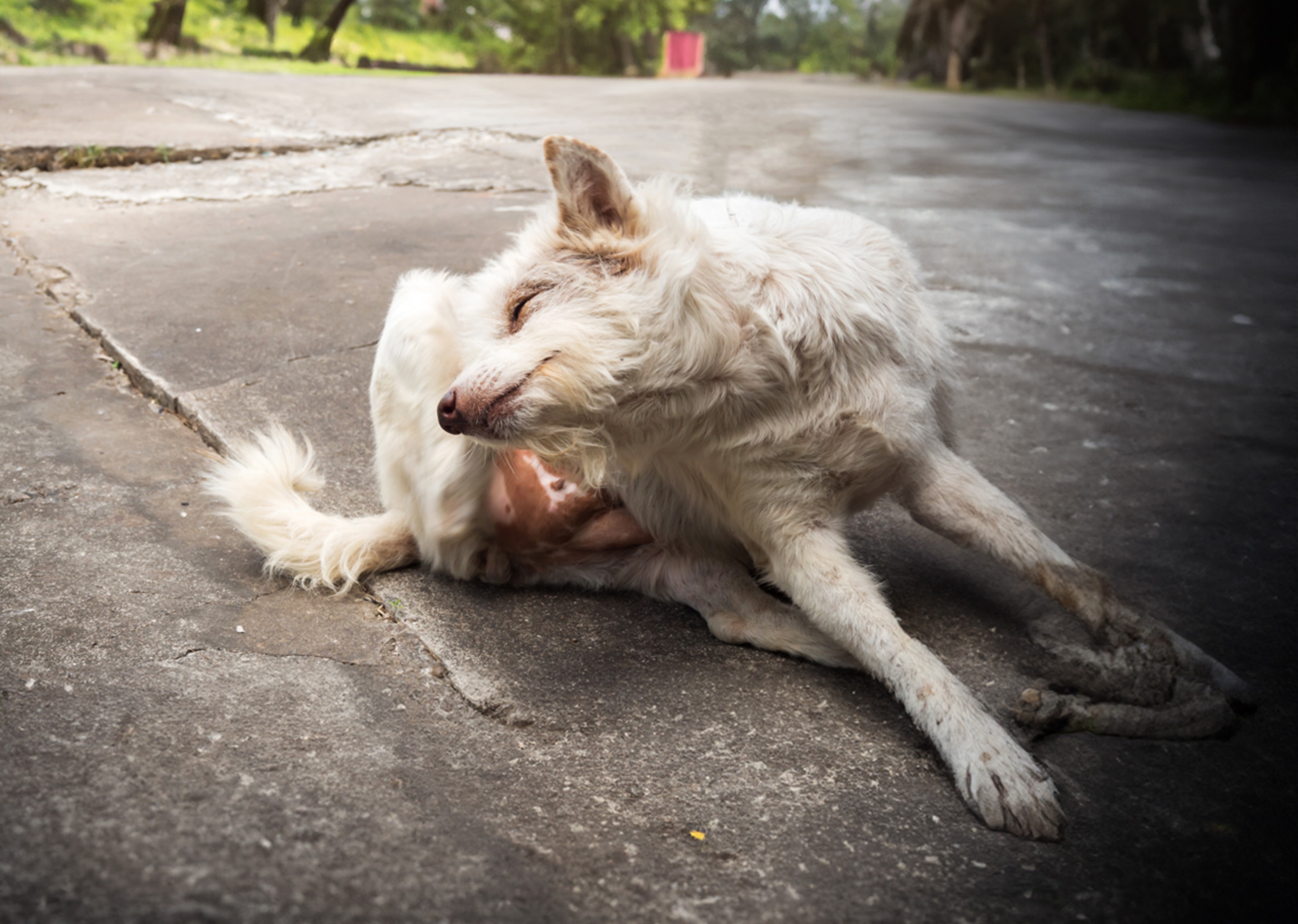
Mites are microscopic parasites that live on or within the skin. Although they are not always visible, they can cause persistent irritation and skin conditions that worsen over time. Understanding how mites spread and develop is key to identifying..
References
- Padula, A. M. (2018). Tick Paralysis of Animals in Australia. In J. White (Ed.), Clinical Toxinology in Australia, Europe and the Americas. Springer, Dordrecht.
- MSD Animal Health Australia & New Zealand Pet Owner Survey, 2025. AUS/NZ Fact Sheet (June 2025; n = 268 pet owners, 40 veterinarians).